
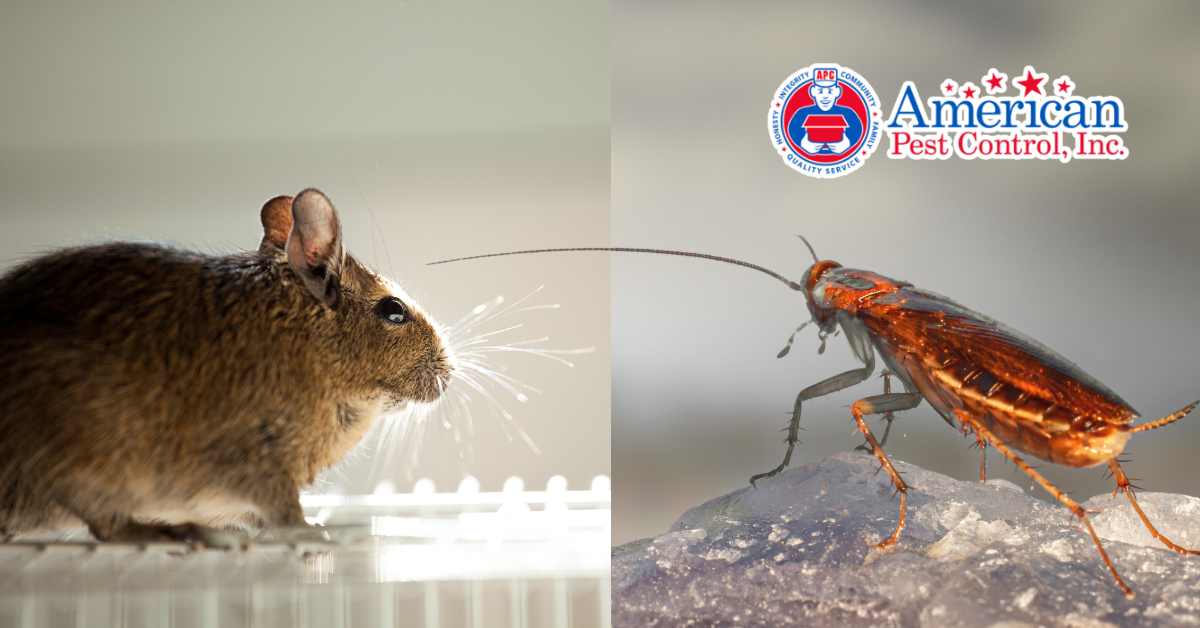
As the vibrant colors of autumn begin to paint the landscapes of the Southeastern U.S, many homeowners turn their thoughts to cozy sweaters, pumpkin spice, and preparing for the cooler months ahead. But amidst these pleasant thoughts, there’s a less charming reality to consider: pests are also looking for a warm, cozy place to call home.
Rodents and cockroaches, in particular, are masters of seeking shelter indoors as temperatures drop. Waiting until you see scurrying or hear scratching in your walls can mean you’re already dealing with an established problem. Proactive early inspections are your best defense against these unwelcome winter guests.
Don’t wait for pests to become a problem. Schedule a professional pest inspection now to catch early signs of activity. Learn more about our rodent control and cockroach control services, and stay ahead of seasonal infestations.
The Sneaky Signs of Unwanted Residents
Often, the first signs of a rodent or cockroach problem are subtle. Knowing what to look for can help you identify an issue before it escalates.
- Droppings: Rodent droppings are small, pellet-like, and typically found near food sources, in drawers, or along baseboards. Cockroach droppings resemble coffee grounds or black pepper.
- Gnaw Marks: Rodents need to constantly gnaw to keep their teeth sharp. Look for chew marks on food packaging, wiring, wooden structures, or even plastic pipes.
- Unusual Smells: A musty, stale odor can indicate the presence of rodents. Cockroaches can produce an oily, lingering smell, especially in larger infestations.
- Nests or Debris: Rodents build nests from shredded paper, fabric, or insulation. You might find these in secluded areas like attics, basements, or behind appliances.
- Scurrying Noises: Hearing scratching, gnawing, or scurrying sounds, especially at night, is a strong indicator of rodent activity in your walls or attic.
- Visual Sightings: While seeing a cockroach or rodent during the day might indicate a significant infestation, even a single sighting should prompt investigation, as these pests are primarily nocturnal.
If you’ve noticed any of these indicators, it’s important to act quickly. Ignoring them allows populations to grow rapidly, especially in hard-to-reach areas.
Top Reasons to Schedule an Early Inspection
Early inspections aren’t just for homes with visible pest issues. They’re a smart step for any homeowner who wants peace of mind heading into colder weather. Here’s why:
- Catch small problems early: Minor signs of activity can be addressed before they turn into full-blown infestations. Early action is often faster, simpler, and more cost-effective than trying to control a larger pest issue later.
- Protect your family’s health: Rodents and cockroaches carry allergens, bacteria, and parasites that can impact indoor air quality and increase the risk of illness—especially for children, elderly family members, or those with asthma or allergies.
- Avoid costly repairs: Rodents can chew through insulation, wiring, and even plumbing lines. These kinds of damages can lead to fire hazards, water leaks, and high repair bills—issues that are much easier to prevent than fix.
- Secure vulnerable entry points: Pest control technicians can identify common access points like open vents, cracks in siding, or gaps around utility lines. Sealing these areas now helps reduce the chances of an infestation as temperatures drop.
- Stay prepared for colder months: Taking preventive steps in early fall allows you to enjoy the season without the added stress of dealing with pests. You’ll be more comfortable knowing your home is ready for winter visitors—just not the pest kind.
Getting ahead of a pest problem with an early inspection gives you more control over your environment and more time to make informed decisions. Rather than reacting to an infestation in the middle of winter, you’ll be taking a proactive step protecting your home, health, and peace of mind.
Proactive Steps for Homeowners
Being proactive is the best way to safeguard your home against winter pests. Here are some actionable steps you can take now:
- Seal Entry Points: Go around the exterior of your home and seal any cracks, gaps, or holes you find. Use steel wool for larger holes that rodents might try to chew through, then seal with caulk or expanding foam.
- Trim Vegetation: Keep trees, shrubs, and bushes trimmed away from your home’s foundation and roofline. These can act as “bridges” for pests to access your house.
- Store Food Properly: Keep all food, including pet food, in airtight containers. Clean up crumbs and spills immediately.
- Manage Moisture: Fix any leaky pipes or faucets. Cockroaches are drawn to moisture. Ensure your gutters are clean and draining away from your foundation.
- Declutter Basements and Attics: Rodents and cockroaches love clutter as it provides ample hiding spots. Clear out unnecessary boxes and stored items.
- Regular Cleaning: A clean home reduces food sources and harborage areas for pests. Pay attention to neglected areas like under appliances and behind furniture.
These preventative measures can significantly reduce your risk, but sometimes, professional help is needed to ensure your home is truly protected.
Don’t Let Pests Move In This Winter
Don’t wait until you’re sharing your home with unwelcome guests this winter. Taking action now can save you stress, potential damage, and costly remediation down the line. Our team at American Pest Control is ready to provide the expertise and peace of mind you deserve. Reach out today to schedule an early inspection and ensure your home remains a sanctuary from pests.
To schedule your inspection and protect your home, reach out to us through our online contact form or call us directly at (706) 546-1490. We’re here to help you prepare for a comfortable, pest-reduced winter.