Key Takeaways
- Persistent flea issues on pets are frequently caused by an untreated infestation in the surrounding yard.
- Local wildlife and stray animals serve as the primary source for introducing fleas into residential outdoor spaces.
- Fleas thrive in moist, shaded environments such as tall grass, debris piles, and crawl spaces.
- Maintaining a sunny, dry, and manicured landscape is the most effective way to disrupt the flea life cycle naturally.
- Eliminating an infestation requires a dual strategy that addresses both the animal hosts and their environmental hiding spots.
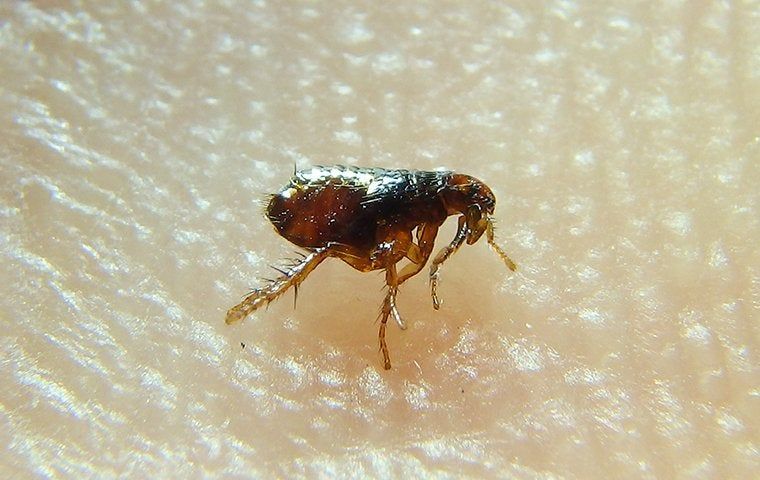
Have you been dealing with frequent fleas on your pets? And no matter what you do, the fleas don’t seem to go away? You may have fleas in your yard. This is a common problem that many homeowners and pet owners don’t realize. Those fleas have to come from somewhere, and more often than not, it’s your yard.
So, how do you know if you have fleas in your yard? Let’s dig into the signs.
What Are the Signs of a FLea Infestation in Your Yard?
When you have fleas on your pet, it’s obvious. They may scratch all day and night and look generally uncomfortable or anxious. If they keep doing this despite your best efforts to control the problem, it’s a sign that fleas have infested your yard. But it’s not the only sign.
Here are some other ways to tell:
- Pet Scratching: Dogs or cats immediately scratching, biting, or acting restless the moment they enter specific outdoor areas.
- Flea Dirt: Small black specks (flea excrement) found on patio stones or pet bedding that turn reddish-brown when placed on a wet paper towel.
- Agitated Wildlife: Squirrels, stray cats, or rabbits frequently stopping to scratch or groom themselves while in your yard.
- Hotspot Activity: Seeing tiny, dark insects jumping when you disturb moist mulch, leaf piles, or the dirt under porches and decks.
- Human Bites: Noticing itchy, red clusters of bites around your own ankles or lower legs after spending time gardening or mowing.
- The White Sock Test: Walking through tall grass or shaded areas in tall white socks; dark fleas will jump onto the fabric and be easily visible. You can also hang a white sock in the air near a suspected hotspot and observe to see if fleas jump on it.
At American Pest Control, Inc., we’re always ready to help you with your pest control needs. Contact us for a free, no obligation quote, or call us at (706) 546-1490 to get started today.

Leave your information below and we’ll be in touch shortly. After hours calls will be returned the next business day.
Can Fleas Live In Your Yard?
Yes, absolutely. Many people associate fleas with living on animals, but they often live outdoors when they’re without a live host.
In fact, it’s entirely possible that your dog gets fleas from someplace like a kennel or a dog park, then comes home, and it creates a brand new infestation in your yard. It happens like this all the time – and people can’t figure out why their pets keep getting re-infested with fleas, even after treating them for it.
What Attracts Them There?
Fleas don’t get up and decide to go somewhere new, like a different yard. While fleas are world-class jumpers, they’re terrible commuters. They typically remain in a small area until they find a new host to jump onto. Then, they simply go where they’re carried by their hosts.
However, they can spread over small areas. Like, if your neighbor has tall grass and a chainlink fence, they can easily migrate over to your yard in search of food and moisture.
How Did Fleas Get In Your Yard?
When wildlife such as raccoons, porcupines, rats, and mice access your yard, they can bring fleas and leave the eggs or mature insects on the grass. While fleas are parasites that feed on the blood of their hosts, they are also fully capable of surviving outside.
Some of the most likely animals to bring fleas into your yard include:
- Opossums: Often considered the biggest culprits, these “flea magnets” frequently drop eggs in gardens and under decks.
- Raccoons: Their tendency to scavenge near homes and trash cans makes them high-risk carriers.
- Feral Cats: Untreated stray cats often lounge in shaded garden beds, leaving flea larvae behind.
- Rodents (Rats & Mice): Because they nest in woodpiles and foundation cracks, they bring fleas directly to your home’s perimeter.
- Squirrels: As they move between trees and lawns, they scatter fleas across the open yard.
- Deer: These large visitors can drop high volumes of fleas and ticks as they graze.
- Foxes & Coyotes: These predators carry fleas into suburban areas while hunting for smaller prey.
- Neighboring Pets: Any visiting dog or cat not on a preventative treatment can easily drop “hitchhikers” during a quick walk-through.
Do Fleas Live In Grass, Dirt, Or Garden Soil?
Yes, these are all possibilities. Fleas typically live in grass, especially in the lower areas of tall or overgrown grass nearer the soil and not exposed to the sun. Flea eggs can get attached to the grass at the bottom and hatch into mature fleas.
Fleas love moisture and could do well in the garden soil that’s moist and warm as they wait for a new host. If grass, dirt, and soil are located in the shade, these areas could harbor fleas as they fear too much sunlight. Thus, letting sun into every corner of your yard can help keep fleas at bay.
Where Else Do Fleas Like To Hide In The Yard?
They especially like tall grass, but fleas will live in many other environments in your yard. Mainly, they prefer to live in the shade rather than in the sun.
These insects may also be attracted to the wood and debris lying around in your lawn, as it is a great breeding ground for them. Wood piles that are improperly stacked in the backyard can draw fleas as they create clutter that makes an ideal habitat for them.
In addition, overwatering your lawn creates an ideal environment for fleas, as they thrive in a moist environment. The grass at the bottom might not be exposed to the sun, thus becoming a perfect breeding ground for fleas.
- Tall Grass: Provides humidity and shade for flea larvae to survive.
- Debris Piles: Woodpiles, leaf litter, and rock piles offer perfect nesting spots for the hosts.
- Under-Deck Access: Dark, cool, moist areas are the ultimate flea nurseries.
If you are still not sure where to look for fleas in the yard, you can wear white long socks and walk around the yard. Alternatively, hang white socks above the grass, especially in places where your pet loves to visit. The fleas will jump onto the white socks, thinking this is a new host.
This way, you will easily spot the fleas as they become visible on the white socks.
What Time Are Fleas Most Active?
Fleas avoid direct sunlight, so they are most active at sunset and least active at sunrise. At dusk, the pests would lay more eggs, respire more, and move around in the yard more.
Although the fleas are not completely inactive at any time of the day, they have increased activity at dusk and night. However, they could still produce feces and eggs throughout the day but not as much as they do at night.
How Long Can Fleas Survive In Grass?
Fleas can live in the grass without a host and undisturbed for about two to three months, depending on the condition of your yard. However, the female fleas might not lay eggs without a host, but after finding a host, they could lay many eggs within 48 hours.
It is hard to get rid of fleas around your Athens, GA home because they can survive for such a long time in the yard and house, and the few you see on your pet could be the tip of the iceberg. Thus, a long-term and simultaneous flea elimination strategy may be necessary.
Fleas are not only irritating but are also a source of diseases, so if you suspect a flea infestation, it’s best to involve a professional flea exterminator to eliminate the problem in your yard.
How to Prevent Flea Infestations in Your Yard
Preventing fleas from taking over your yard is a two-part process. You need to make the environment inhospitable for larvae and unattractive to the host animals that carry them. Here are a few strategies that can help with that:
- Mow Regularly: Keep your grass short to expose the soil to sunlight and wind, which dehydrates flea eggs and larvae.
- Remove Debris: Clear away leaf piles, grass clippings, and brush where fleas hide and wildlife nests.
- Limit Wildlife Access: Use fencing or motion-activated sprinklers to deter opossums, raccoons, and stray cats from entering the property.
- Manage Shade: Trim low-hanging tree branches and thinning out thick shrubbery to reduce the cool, damp, shaded areas where fleas thrive.
- Seal Entry Points: Block off access to the dark, moist voids under decks, porches, and crawl spaces with hardware cloth or fencing.
- Flood “Hotspots”: Periodically wash out shaded dirt areas or kennels with a hose; the water can drown larvae and wash away “flea dirt” (their food source).
- Use Cedar Mulch: Replace standard mulch with cedar chips, as the natural oils act as a mild repellent for many insects, including fleas.
- Apply Beneficial Nematodes: Introduce these microscopic organisms (available at garden centers) to your soil; they hunt and eat flea larvae without harming plants or pets.
- Clean Outdoor Pet Areas: Regularly wash outdoor pet bedding and sweep patios where pets lounge to remove any dropped eggs.
Call American Pest Control, Inc. for Flea Control Service in Athens, GA
It’s never been easier to eliminate a flea infestation in your yard. The flea control professionals at American Pest Control are here to help! We can identify the source of the infestation, eradicate the fleas, and advise you on how to avoid such infestations in the future. We will also use products that are safe for humans and pets.
Our certified pest experts will work with you to find the best solution for your needs. Call us today for a free, no-obligation estimate.

Contact Us Today!