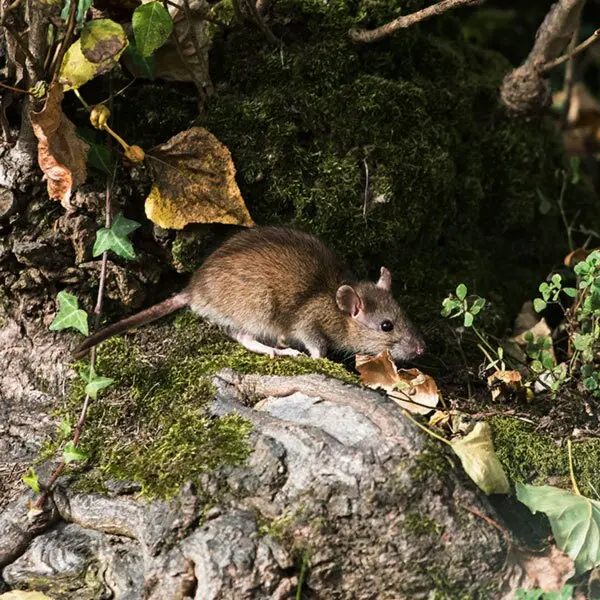
Norway Rats in Athens, GA
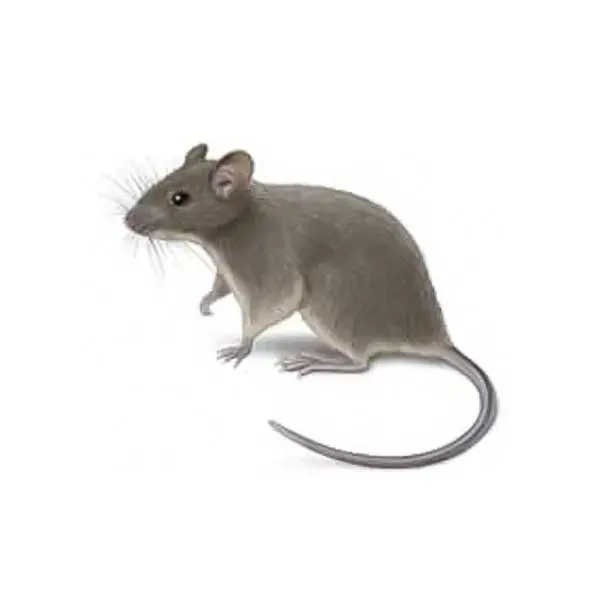
Norway rats are large, stocky rodents that are generally more aggressive and heavier than their relative, the roof rat or black rat. They are found throughout the United States and are considered commensal, living close to humans and relying on human environments for survival. While they will eat nearly anything, they prefer foods such as cereal grains, meats, fish, nuts, and some fruits. These rats are most active shortly after sunset and again before dawn. Their constant gnawing can cause significant damage to homes, gardens, and other structures, and they are known carriers of diseases such as jaundice, rat-bite fever, and salmonella.
Norway Rat Habitat
As ground burrowing animals, Norway rats construct tunnels measuring 2 to 3 inches in diameter and extending up to 6.5 feet in length. These burrows are commonly found outdoors along foundations and in garden areas. Being nocturnal, they often enter homes at night in search of food and then return to their underground nests. Their burrowing activity can weaken soil and compromise structural stability over time. Indoor nests are most often found in basements and crawl spaces, but heavy infestations may lead them to occupy upper levels of a building.
Norway Rat Behaviors, Threats, or Dangers
As they search for food and shelter, Norway rats can damage garden crops, plants, foundations, and concrete slabs through burrowing and gnawing. They also contaminate food intended for people, pets, and livestock. These rodents are known carriers of many diseases, including salmonella, leptospirosis, and rat-bite fever. Inside structures, they can cause extensive damage by nesting in attics and walls. There are also reports of electrical fires caused by gnawed wires that spark and ignite walls. If you have a Norway rat infestation in your Athens, GA property, always contact a licensed rodent control company.