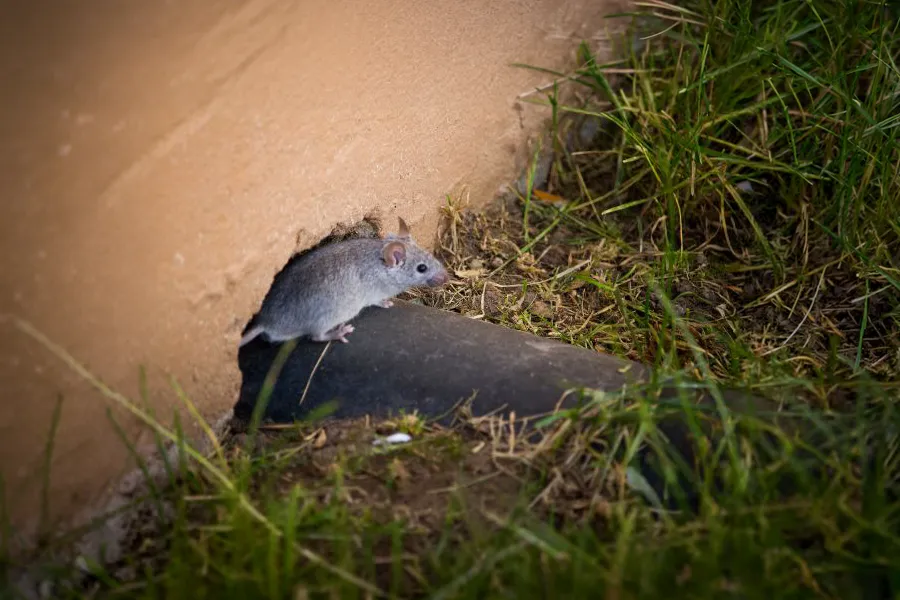
Discovering rats or mice in a home or business can be alarming and should be addressed promptly. These pests are often active at night, which can make early detection even more difficult. Identifying the specific rodent involved is the first step toward effective control. Since rats and mice often look and behave similarly, distinguishing between them can be challenging.
What Mice and Rats Have in Common
Both rats and mice exhibit characteristics that often lead to confusion when trying to distinguish between them. In many situations, their habits and behaviors closely overlap. Here are some common similarities:
- Continuous Growth of Incisor Teeth: Both rats and mice have front teeth that continue growing throughout their lives. To keep them from becoming too long, they must constantly gnaw on different materials, which can result in damage to structures and belongings.
- Seeking Shelter in Cold Weather: As temperatures drop, these rodents begin searching for warm, sheltered spaces. This behavior often leads them indoors, where they may settle in basements, garages, and wall voids, making infestations more common during colder months.
- Nocturnal Activity: Rats and mice are mainly active after dark, which makes them difficult to spot during daylight hours. Their movement at night often produces scratching, scurrying, and other noises that can signal the presence of an infestation.
How Mice and Rats Differ
While rats and mice may appear similar at first glance, several key differences make identification possible. A closer look can reveal these distinctions more clearly. Below are some of the most important differences to consider:
- Size: Rats are generally much larger, with body lengths of about six to nine inches, not including the tail. Mice are much smaller, typically measuring around two to five inches in body length.
- Body Proportions: Mice usually have proportionally larger ears and longer, thinner tails compared to their bodies, giving them a more delicate appearance. Rats, on the other hand, have smaller ears, thicker tails, and larger feet, which contribute to a more robust build.
- Dietary Habits: Their feeding habits differ somewhat. Mice tend to prefer grains, seeds, and fruits, while rats are more opportunistic and will consume a wide range of foods, including meat, grains, fruits, and even garbage.
- Droppings: Droppings can help distinguish between the two. Rat droppings are larger, spindle-shaped, and typically about 10–20 mm long, while mouse droppings are much smaller, rod-shaped, and usually only one to two mm in length.
- Reproduction Rate: Mice reproduce more rapidly and can have up to ten litters per year, with as many as 14 young per litter. Rats reproduce less often, averaging three to six litters annually, with up to ten offspring per litter.
At American Pest Control, Inc., we’re always ready to help you with your pest control needs. Contact us for a free, no obligation quote, or call us at (706) 546-1490 to get started today.

Leave your information below and we’ll be in touch shortly. After hours calls will be returned the next business day.
Identifying Rat and Mouse Droppings
Identifying rats or mice is often easiest by looking at their droppings, which differ noticeably between the two species. When droppings are discovered, careful cleaning is important, along with prompt action to control the infestation.
Rat Droppings are fairly large and easy to notice, typically measuring about 10–20 mm in length. They are often found in grouped areas and have a spindle shape with blunt ends, making them easier to distinguish from other pests.
Mouse Droppings are much smaller, usually just one to two mm long. They are thin, rod-shaped, and pointed on both ends, and are often scattered randomly as mice travel rather than concentrated in one spot.
Professional Rat and Mouse Extermination
Both rats and mice can lead to major health risks and costly damage to property as a result of their chewing and nesting activities. They are also known carriers of disease and can contaminate food sources, making them a serious concern for any property owner.
If you suspect rodent activity, the best course of action is to contact a professional right away. The experts at American Pest Control, Inc. offer [years] years of experience in Athens, GA, providing reliable and certified rodent extermination services for both rats and mice.