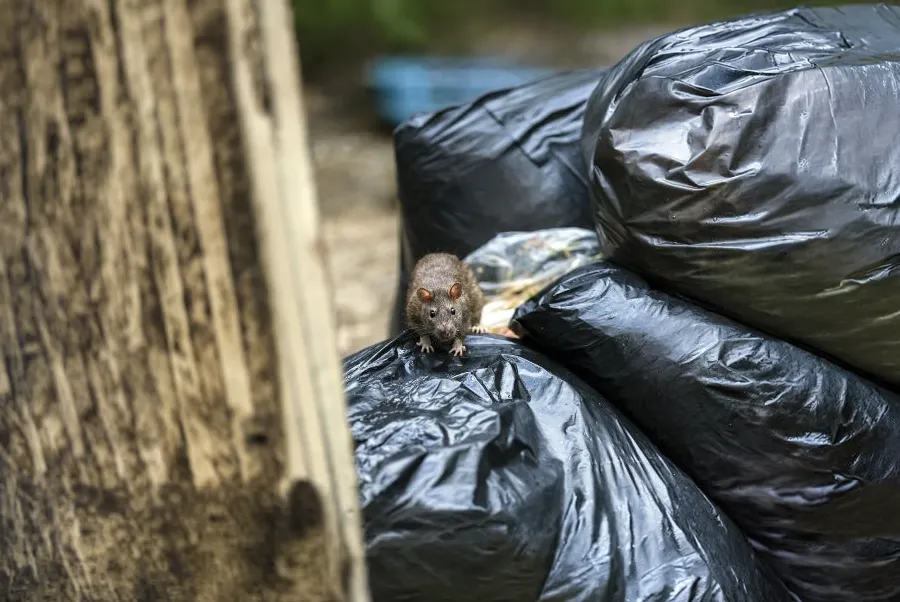
Rats generally prefer outdoor environments where food is available, shelter is accessible, and they can avoid natural predators. However, they are highly adaptable and will readily move indoors when conditions become favorable. Recognizing these habitat tendencies is important for early detection and effective control.
Different species of rats and mice also choose nesting sites based on their specific behaviors and needs. These nests can be found in a variety of locations around homes, yards, and other structures, depending on the rodent species involved.
- Norway Rats: Known for their strong burrowing habits, these rats often create nests underground or in areas with thick vegetation. They are frequently found beneath building foundations, where they remain hidden and protected.
- Roof Rats: These rodents are skilled climbers that prefer nesting in elevated locations. They are commonly found in attics, rooftops, trees, and other high areas where food sources are easily accessible.
- House Mice and Deer Mice: These smaller rodents typically seek out warm, hidden nesting areas. They are often found in sheltered spots such as wall voids, tree hollows, under rocks, and other protected environments.
Typical Indoor and Outdoor Rat Nesting Sites
Inside buildings, rats and mice prefer locations that are quiet, warm, and provide easy access to food. This allows them to stay hidden while meeting their survival needs. Typical indoor nesting sites include:
- Attics: Rodents often use quiet, undisturbed attic spaces for nesting, settling in corners, or burrowing into insulation to create secure hiding spots.
- Wall Voids: The hollow spaces inside walls offer rodents concealed areas where they can safely build nests and reproduce with minimal disturbance.
- Basements and Crawl Spaces: These areas are usually dark, humid, and rarely accessed, making them ideal for rodents to nest among stored items and clutter.
- Storage Areas: Rodents commonly nest in storage spaces, taking advantage of stacked boxes, old belongings, and insulation to form hidden and protected nests.
In outdoor environments, rats choose spots that provide safety, cover, and easy access to food. These settings support their survival and breeding. Here are some of the typical places rats nest outside:
- Gardens and Fields: Rats are frequently drawn to gardens and agricultural fields because of the readily available food and cover. Mulch, plants, and organic matter create suitable conditions for nesting and protection.
- Streams and Riverbanks: Areas near water sources attract rats due to the consistent access to water. They often burrow along banks, where they find shelter and quick escape routes when threatened.
- Underground Burrows: Some rats create complex burrow systems below ground to serve as secure nesting areas. These burrows are often located under debris, dense vegetation, or building foundations, allowing rats to stay hidden and protected from predators and harsh weather.
- Dense Vegetation: Thick grasses, shrubs, and overgrown landscapes provide ideal cover for rats. They use these areas for shelter, feeding, and nesting while remaining concealed from both predators and human activity.
- Wood Piles and Junkyards: Cluttered environments like wood piles and junkyards offer rats numerous hiding spots and shelter opportunities. The abundance of debris also supplies nesting materials and helps them stay out of sight.
At American Pest Control, Inc., we’re always ready to help you with your pest control needs. Contact us for a free, no obligation quote, or call us at (706) 546-1490 to get started today.

Leave your information below and we’ll be in touch shortly. After hours calls will be returned the next business day.
Where Mice Typically Make Their Homes
Mice are highly adaptable creatures and can live in a variety of environments. They generally look for areas that provide reliable access to food, water, and protection. Here are some typical places where mice tend to live:
- Farms: Agricultural structures such as barns and granaries provide mice with plentiful food sources and secluded nesting areas. These buildings create ideal conditions for shelter and easy access to stored grains and supplies.
- Fields and Grasslands: Mice often thrive in open outdoor environments where grasses and vegetation provide cover from predators. They commonly dig burrows in the soil to stay protected, warm, and hidden from view.
- Inside Homes: Mice often enter homes in search of warmth and security, particularly during colder months. They typically settle in quiet, low-traffic areas like attics, basements, and wall voids, where they remain hidden while accessing nearby food sources such as kitchens and pantries.
If you suspect a mouse infestation, the professionals at American Pest Control, Inc. can carefully inspect these areas and provide targeted rodent control solutions.
Professional Rat Inspection and Treatment Services
Rodent nests are often difficult to find inside a home because these pests choose hidden areas that are rarely disturbed by people. In many cases, early signs like droppings or gnaw marks appear long before any rodents are actually spotted.
When this happens, acting quickly is important. American Pest Control, Inc. provides professional rodent extermination services that target infestations effectively and help prevent future issues. Contact us today for a free quote.