Key Takeaways:
- Do not begin repairs until a professional termite control technician has confirmed that the termite colony has been eliminated.
- Minor damage to drywall or surface-level wood may be repaired as a DIY project, but extensive damage or structural repairs should always be handled by a qualified professional.
- Wood filler should not be used for repairs involving load-bearing studs or joists because it does not provide the strength needed to support structural weight.
- If damaged wood needs to be replaced, use pressure-treated lumber or other termite-resistant materials to help prevent future termite damage.
When termite damage is discovered, it is important to have a professional assess the property before making repairs. Because termites can damage wood from the inside out, the visible signs may not reveal the full amount of destruction that has occurred.
Some minor repairs may be suitable for a DIY approach, but structural damage requires the knowledge and skills of a professional contractor. Keep reading to learn more about the repair process and the steps needed to restore termite-damaged areas of your home.
A Step-by-Step Guide to Repairing Termite Damage
Step 1: Eliminate the Infestation First
The first step before repairing termite damage is ensuring the infestation has been properly handled. A licensed termite control expert should complete treatment and confirm that no active termite colony remains. In many cases, contractors will not start structural repairs or access wall cavities without a clear termite report.
Step 2: Evaluate the Extent of the Damage
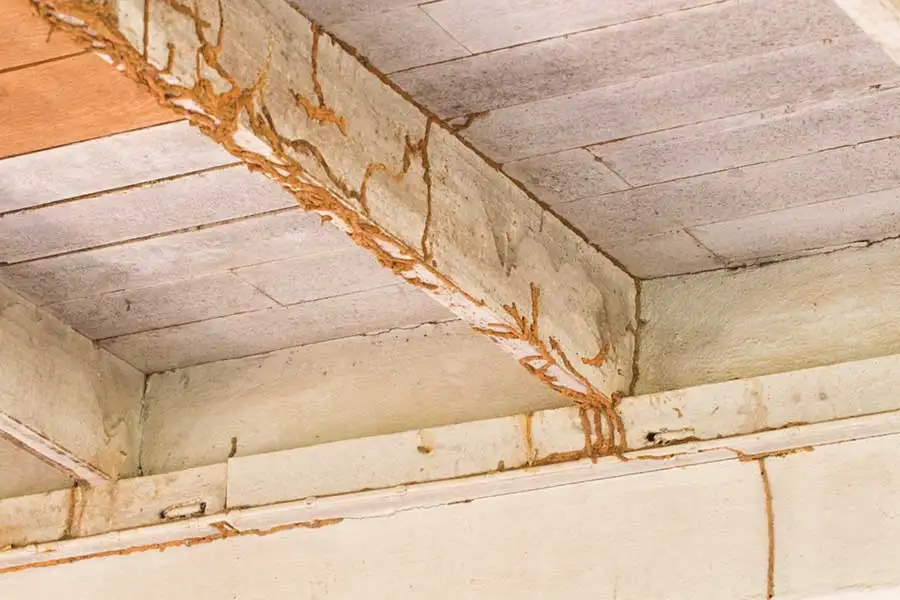
Much of the damage caused by termites can remain concealed behind walls, floors, or other building materials. A contractor may need to carefully open up affected areas to uncover termite galleries, which are hollow pathways left behind as termites feed through wood. This type of damage is usually classified into two categories:
- Surface Damage: This type of damage is usually easier to spot and may appear as bubbling or peeling paint, small holes in drywall, or other visible signs on the surface of walls and wood materials.
- Structural Damage: More serious damage can affect the strength of the home and may include hollow-sounding wood, sagging floors, weakened support areas, or doors and windows that no longer open and close correctly.
Step 3: How to Repair the Damage
If the damage is only superficial, meaning termites have only affected the outer layer of wood or drywall, you may be able to handle the repairs yourself. These types of repairs are typically cosmetic and do not involve the structure of your home. Here is what we recommend for minor damage:
- Wood Hardeners and Fillers: For minor tunneling in non-load-bearing wood, you may be able to remove the damaged material, apply a wood hardener to strengthen the remaining fibers, and use wood filler to create a smooth finish. Avoid using these products on structural wood, such as load-bearing beams or supports, because they do not provide the strength needed and could lead to more serious problems.
- Drywall Repair: Termites can damage the paper layer behind drywall, which may cause bubbling paint or other visible issues. Repairing this type of damage typically involves removing the affected section, installing new drywall, and repainting the area. DIY repairs may be possible if you are comfortable with the process, but always confirm that the damage is only cosmetic before beginning.
At American Pest Control, Inc., we’re always ready to help you with your pest control needs. Contact us for a free, no obligation quote, or call us at (706) 546-1490 to get started today.

Leave your information below and we’ll be in touch shortly. After hours calls will be returned the next business day.
When termites have caused severe damage to structural components like support beams, wall studs, or floor joists, wood filler should never be used as a repair solution. Once the wood has been weakened from the inside, it may no longer be able to safely support weight. A qualified professional will typically use one of two repair methods for major damage and structural damage:
- “Sistering” (Scabbing): One of the most common and affordable repair methods involves attaching a new, stronger piece of lumber alongside the damaged wood. This approach allows the original piece to remain in place while the new lumber provides additional strength and takes on the necessary load-bearing support.
- Full Replacement: When termite damage has severely weakened the wood or caused it to deteriorate beyond repair, complete replacement may be required. In these situations, professionals may need to temporarily support the structure before removing the damaged timber and installing new structural materials.
Can Termites Completely Destroy a Home?
Although uncommon, termites can sometimes cause severe structural damage that cannot be fully restored. This usually happens when an infestation remains hidden and untreated for many years, allowing termites to continue weakening important parts of the home.
The good news is that most termite damage can be repaired with the right approach, even if the process requires time and expense. Working with a professional termite control company can help detect problems early and prevent extensive damage before it occurs.
Prevent Future Termite Damage With Ongoing Protection
Completing repairs does not mean your home is automatically protected from future termite problems. Termites can still target newly installed wood just like they did the original materials. Investing in preventative termite services can help protect your repairs and prevent future damage. Here are some recommendations:
- Use Treated Replacement Wood: When repairing termite damage, choose pressure-treated or borate-treated lumber whenever possible. These materials are designed to help resist termite activity and provide added protection for your home.
- Protect Your Foundation Barrier: Maintaining a continuous termite barrier around your home’s foundation can help reduce the risk of future infestations. Regular inspections and preventative services can help ensure your protection remains effective.
- Schedule Professional Termite Control: A professional termite control company can provide expert treatments, inspections, and prevention plans designed to keep your home protected year-round.
Need more information or have questions about your property? Reach out to American Pest Control, Inc. anytime by calling or sending an email. We’re happy to provide the answers you need.