Key Takeaways
- Signs of termite damage may be found throughout your home rather than in one particular location.
- Watch for bubbling paint, warped surfaces, or blistered flooring, as these can indicate termite activity but are sometimes confused with moisture damage.
- Pellet-like piles that resemble sawdust or pepper are often termite frass left behind as termites feed.
- Do not tear into walls or damaged wood if you suspect termites. Instead, schedule a professional inspection to prevent the infestation from spreading.
Termite damage can often go unnoticed for years, allowing colonies to quietly weaken the structure of a home before obvious signs appear. Knowing what to look for can help you identify potential problems early and protect your property from costly repairs. At American Pest Control, Inc., we help homeowners throughout Athens, GA recognize the warning signs of termite activity and understand the importance of professional inspections and prevention.
How to Look for Termite Damage
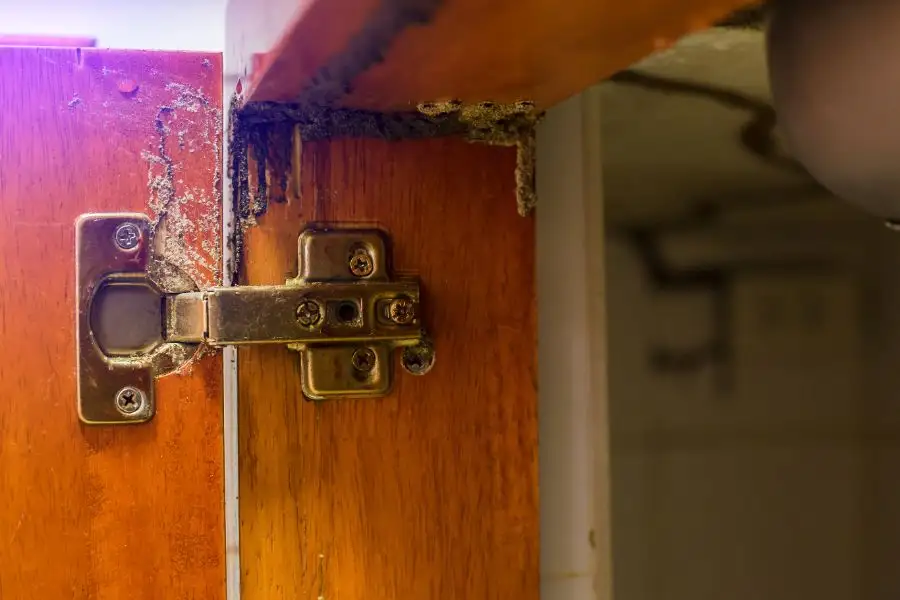
Termites are best known for the damage they cause to wood as they feed and expand their colonies. Infested wood often appears hollow, weakened, or filled with tunnels beneath the surface. Other signs of termite-damaged wood include:
- Cracks on internal walls, ceiling beams, or rafters
- Bubbled or sagging areas in the floor
- Weakened or hollow floorboards & baseboards
- Broken roof tiles
- Doors and windows sticking
Common Signs of Termite Damage in Wood
Most people know that termites feed on wood, but fewer know what termite damage actually looks like. As termites consume the cellulose inside wood, they leave behind hollow tunnels that weaken the material from the inside out. Wood stored outdoors, such as lumber piles, may appear carved out or riddled with empty galleries after an infestation.
Here are some common signs to watch for:
- Hollow Wood
Termite damage often begins beneath the surface of the wood, making it difficult to detect. While the exterior may appear perfectly normal at first, advanced infestations can leave the wood rippled, brittle, or easily crushed because only a thin outer layer remains.
- How to Test Hollow Wood: Gently tap your baseboards, door frames, or window frames with the handle of a screwdriver. Solid wood will produce a firm, dull sound, while termite-damaged wood often sounds hollow, thin, or papery.
- “Water” Damage
Termite damage is frequently confused with water damage because both can cause bubbling paint, warped wood, and other visible surface problems. However, there are several important differences.
Water damage usually causes wood to swell, darken, soften, and eventually rot into blocky or cube-shaped sections. Termite damage, on the other hand, leaves behind smooth, hollow tunnels that follow the natural grain of the wood.
- How to Tell Termite Damage and Water Damage Apart: Breaking away a section of damaged wood may reveal the cause. If you find mud or dirt lining the interior, it’s a clear sign of termites rather than water damage.
- Frass
At American Pest Control, Inc., we’re always ready to help you with your pest control needs. Contact us for a free, no obligation quote, or call us at (706) 546-1490 to get started today.

Leave your information below and we’ll be in touch shortly. After hours calls will be returned the next business day.
Small piles of debris that resemble sawdust, salt, or pepper around baseboards can be a warning sign of termites. Drywood termites create these piles of frass by pushing their droppings out through tiny kick-out holes in the wood.
- How to Recognize Frass: The uniform appearance of these pellets helps distinguish them from ordinary debris. Their presence is a reliable indication of an active drywood termite infestation.
Where to Look for Termite Damage in Your House
Much of the damage termites cause occurs out of sight, making infestations difficult to detect in their early stages. Once a colony becomes well established, you may begin noticing weakened wood, damaged flooring, sagging ceilings, and other warning signs. Identifying termite damage often involves separating it from problems caused by moisture or structural movement.
The following areas of your home are among the most likely places to show visible signs:
- Walls
- Ceilings
- Foam insulation
- Slabs
- Drywall
- Flooring
- Tiling
- Windows
Identifying Termite Damage in Different Materials
Termite damage can look different depending on the material being affected. Look for these common signs of termite activity in different areas of your home:
- In Drywall and Sheetrock: Paint that bubbles or appears blistered may be caused by termite activity beneath the drywall rather than moisture. Small pin-sized holes with bits of dirt around them are another common sign and often serve as exit holes for swarming termites.
- In Flooring: Watch for hardwood or laminate flooring that begins to buckle, blister, or sag. Tile flooring may loosen or produce a hollow sound when walked on if termites have damaged the supporting materials underneath.
- In the Foundation: Pencil-sized mud tubes along the foundation are one of the clearest signs of subterranean termites. These protective tunnels allow termites to travel between the soil and your home without drying out.
What to Do When You Discover Termite Damage
Seeing termite damage can be alarming, but opening the wall yourself may make the problem worse. Disrupting the infestation can cause termites to retreat into hidden areas or spread into separate colonies throughout the structure.
Cover the affected spot and reach out to a qualified termite control professional for a complete inspection.