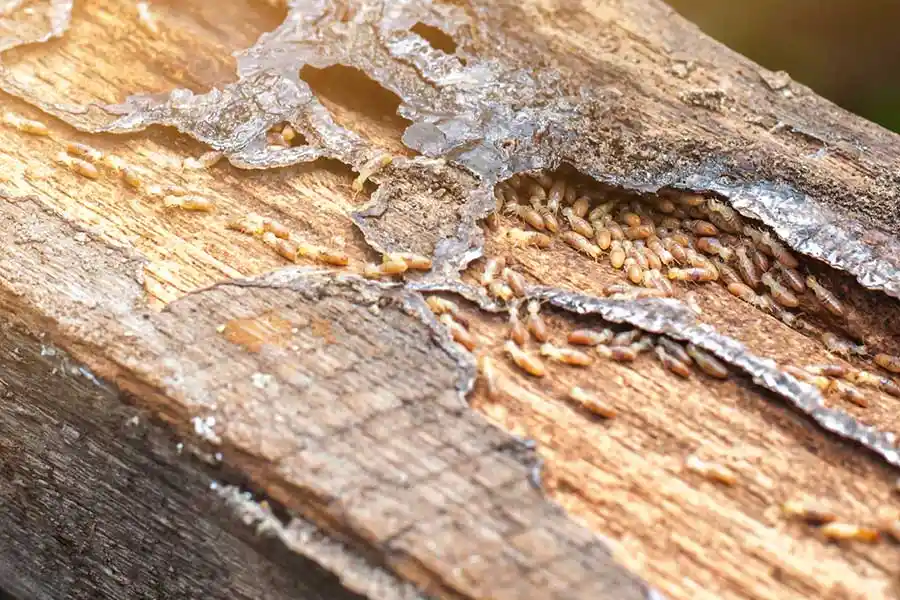
Across the country, termites are considered one of the most common and destructive pests. They can be found in nearly every state except Alaska, and although they prefer warm climates, termites are capable of adapting to the conditions around them. Their main requirement is a reliable food source containing cellulose, allowing them to survive wherever wood materials are available.
Depending on the species, termites may live in soil, inside wooden structures, or in other cellulose-based materials. Some species build colonies underground, while others infest dry wood found in homes, furniture, and other above-ground locations.
Termite Living Habits
Not all termites seek out the same type of wood or living conditions. Drywood termites, for instance, are known for attacking dry wood sources above ground without needing soil access. The termite species found in Athens, GA, however, may behave differently and have unique nesting preferences. Learn more about their habits below:
- Soil-Dependent Termites: Eastern subterranean termites and Formosan termites need regular contact with soil to maintain the moisture and conditions required for survival.
- Mud Tube Travel: Both of these termite species create and use mud tubes to move safely between their colony and food sources while staying protected from the open air and dry conditions.
- Common Mud Tube Locations: Termite mud tubes may be found around foundations, windows, wall studs, siding, and other areas of your Athens, GA home where termites are gaining access.
Understanding Termite Activity in Athens, GA
Two termite species of concern in this area are Eastern subterranean termites and Formosan termites. The climate in Athens, GA creates conditions where these pests can thrive, allowing them to reproduce and remain active for much of the year. Since termites can damage both indoor and outdoor wood structures, working with a trusted termite professional like American Pest Control, Inc. can help identify and address potential infestations before they become severe.
At American Pest Control, Inc., we’re always ready to help you with your pest control needs. Contact us for a free, no obligation quote, or call us at (706) 546-1490 to get started today.

Leave your information below and we’ll be in touch shortly. After hours calls will be returned the next business day.
Termites are a major pest concern across the country and around the world. There are over 2,000 termite species worldwide, but only about 40 are found in the United States. Of those, just a few commonly invade homes and businesses. For properties in Athens, GA, Eastern subterranean and Formosan termites are two species homeowners should be aware of.
Termite Species found in Athens, GA
Our region provides ideal conditions for termite activity, especially during the warmer months when colonies become more active. While several termite species exist, only two are commonly responsible for infestations in our area. Unfortunately, both are known for causing significant property damage. The two most common termites found in Athens, GA include:
- Eastern Subterranean Termites: These are the most widespread termites in North America and are responsible for some of the highest termite-related repair costs. They are generally smaller than drywood termites and require regular soil contact to survive. One of the most common indicators of an infestation is the presence of mud tubes along foundations or structures.
- Formosan Termites: Known for their aggressive feeding habits, Formosan termites can create serious problems for property owners. Large colonies can contain millions of termites, allowing them to cause extensive damage in a short amount of time. These termites are not selective about the wood they consume and can spread through underground tunnels as colonies expand.
Identifying Your Termite Infestation
In most cases, homeowners never actually see the termites causing damage unless a swarm occurs. Since termites typically remain hidden within structures or beneath the soil, it can be difficult to know which species has invaded your property. A professional termite exterminator can inspect your home, identify the species involved, and create a targeted control plan based on the termites’ behavior and habits. Early identification can help prevent more extensive damage.