While termite treatments are primarily designed to eliminate termites, some options may also impact other types of pests. Professional termite control products are some of the most effective and highly developed solutions used in the pest industry.
Both liquid termite treatments and bait stations are formulated to target termites and can sometimes help reduce other pests, including ants and beetles. However, not every termite treatment is designed to control additional insects, so it is important to use products according to their intended purpose.
Can Termite Control Products Kill Other Pests?
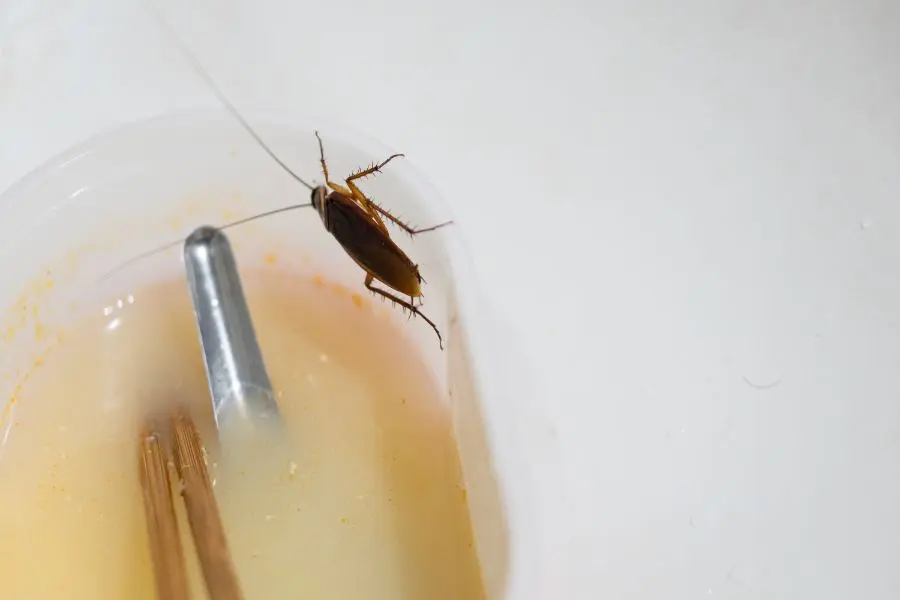
Most professional termite treatments are designed specifically to target wood-destroying insects. Because these products are highly effective, they may also impact other pests that are present inside your home or around your property. Some pests that may be affected by liquid termiticides and bait systems include:
- Bed Bugs
- Cockroaches
- Wood-Boring Beetles
- Pantry Pests
- Rodents
- Spiders
At American Pest Control, Inc., we’re always ready to help you with your pest control needs. Contact us for a free, no obligation quote, or call us at (706) 546-1490 to get started today.

Leave your information below and we’ll be in touch shortly. After hours calls will be returned the next business day.
Do Liquid Termite Treatments and Bait Systems Work on Other Pests?
Because liquid termiticides contain strong active ingredients, they can sometimes affect more than just termites. These treatments may help control pests such as beetles, boxelder bugs, centipedes, cockroaches, crickets, earwigs, flies, silverfish, spiders, and various types of ants.
Termite bait stations have a more focused purpose. Although they can be effective against carpenter ants in some cases, they are mainly designed to target termite colonies and are not generally used as a broad-spectrum pest control solution.
Are Pets at Risk During Termite Treatment?
When professional termite treatments are performed, your family and pets are taken into consideration throughout the process. A trained termite exterminator will provide instructions after treatment, including how long pets should stay away from treated areas. Following these guidelines helps ensure the treatment is completed properly. Once the recommended time has passed, your pets can return to the treated areas without concern.
.