
Bumblebees in Athens, GA
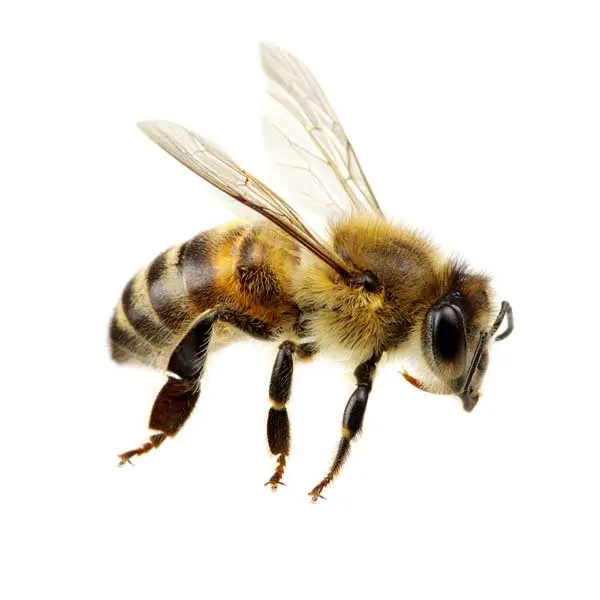
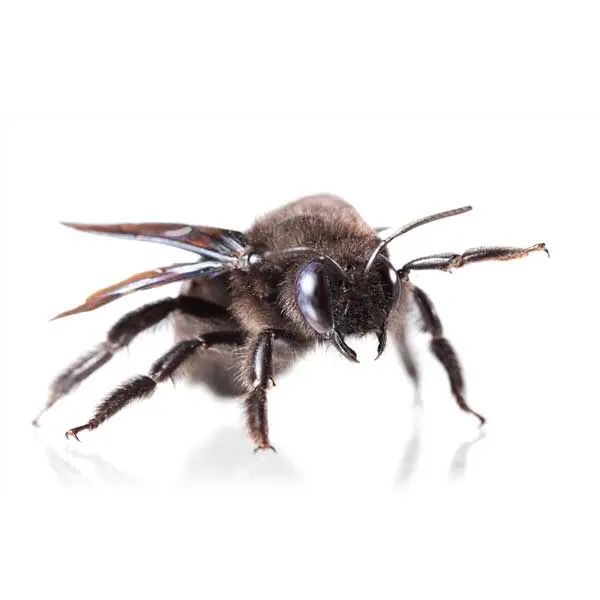
Bumblebees are large, robust insects covered in densely branched hairs that give them a fuzzy appearance. They are highly important pollinators for many crops and ornamental plants. Their bodies are specially adapted for collecting and transferring pollen between flowers. According to the National Wildlife Federation, their wings beat at least 130 times per second. This rapid wing movement allows them to perform buzz pollination by vibrating flowers until they release pollen, which ultimately helps plants produce more fruit.
Bumblebee Habitat
Typically, bumblebee colonies range from a dozen to a few hundred workers, making them much smaller than honey bee colonies. Their queen is responsible for establishing and maintaining the colony throughout the season. Despite their size, they are highly efficient pollinators. Most nest underground in deserted rodent burrows or shallow spaces beneath patio stones, landscaping wood, compost piles, and thick grass. They may also nest above ground in abandoned bird nests or insulated structural voids found in walls, decks, and patio roofs.
Bumblebee Behaviors, Threats, or Dangers
Bumblebees are peaceful insects that rarely sting unless they are provoked. The majority of stings happen when people accidentally disturb their nests. Only female bumblebees have the ability to sting, and they can sting repeatedly, unlike honey bees. While they are capable of multiple stings, they do not form swarming groups like honey bees. Their sting is generally less painful than a honey bee sting, but it can still pose risks if it occurs in sensitive areas such as the head or neck, or if the person is allergic. Because they may defend themselves aggressively, professional bee removal is recommended.