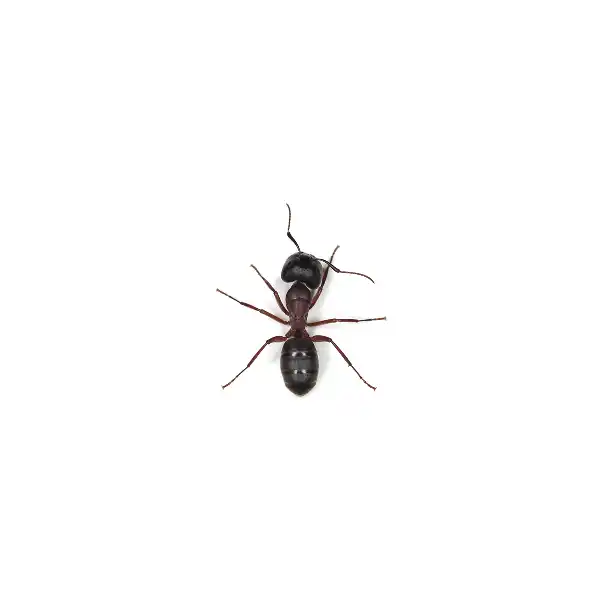
Carpenter Ants in Athens, GA
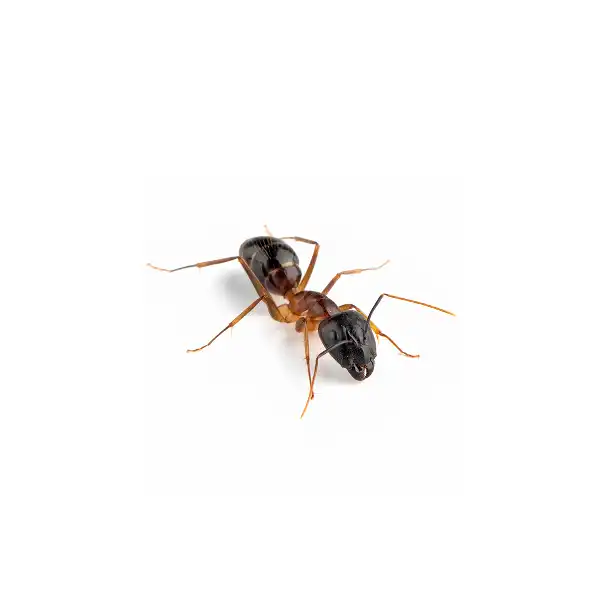
Carpenter ants receive their name from their habit of nesting in wood, where they carve out smooth tunnels and galleries. Their activity often goes unnoticed until structural damage becomes more advanced. They are especially attracted to wood that has been softened by moisture or decay. Sometimes confused with termites, these pests damage wood by boring through it rather than eating it. Over time, their nest-building can weaken the framework of homes and businesses and leave wood hollowed out. While they feed on many food sources, they especially prefer the sweet honeydew excreted by plant-sucking insects.
Carpenter Ant Habitat
Attracted to moisture, carpenter ants may establish nests in many different areas, both inside and outside a home or structure, usually near damp or decaying wood. They often remain hidden for long periods, making early detection difficult. In many cases, the main parent nest is located outdoors in a tree, stump, or pile of firewood. Inside buildings, nests are commonly found in wood affected by leaks, including attic rafters, roof overhangs, wall voids, hollow doors or columns, crawl spaces, and behind dishwashers. Indoor carpenter ant infestations are strongly linked to moisture problems in homes and businesses.
Carpenter Ant Behaviors, Threats, or Dangers
Carpenter ants pose a significant risk to property owners. While they rarely bite and are not usually viewed as dangerous pests, their nest-building inside wood can compromise the strength of homes and businesses. Carpenter ant swarms commonly appear in spring and often mean a colony is nearby. Evidence such as small sawdust piles or faint rustling sounds in walls can signal their presence. They may not match termites in severity, but unchecked carpenter ants can still cause costly structural damage. A professional ant exterminator should be contacted if an infestation is suspected.