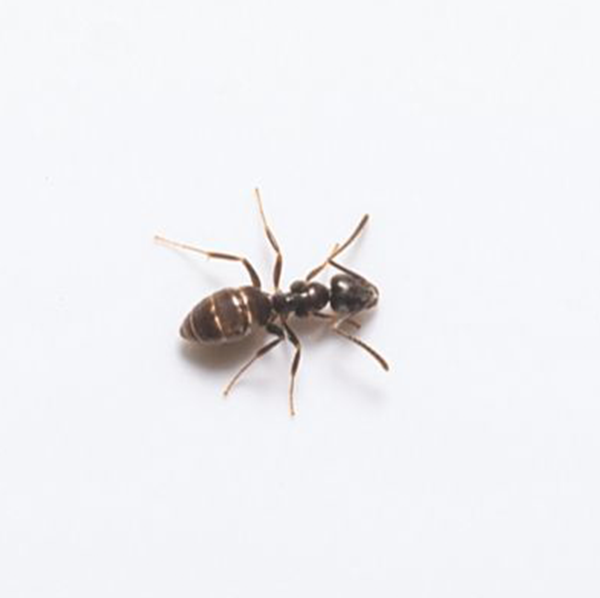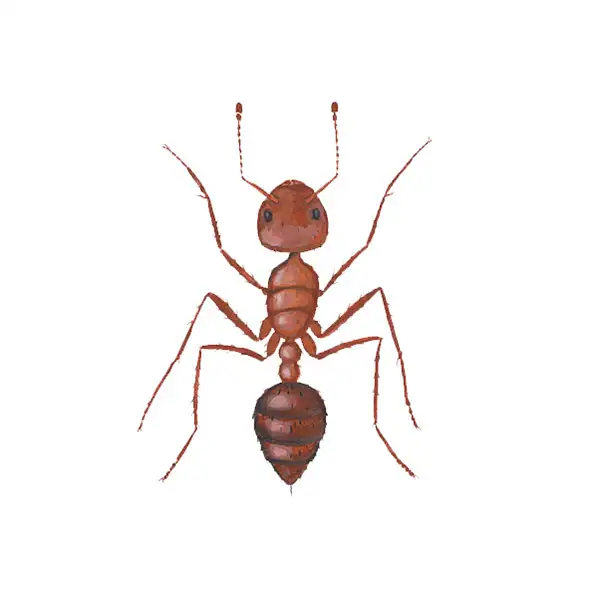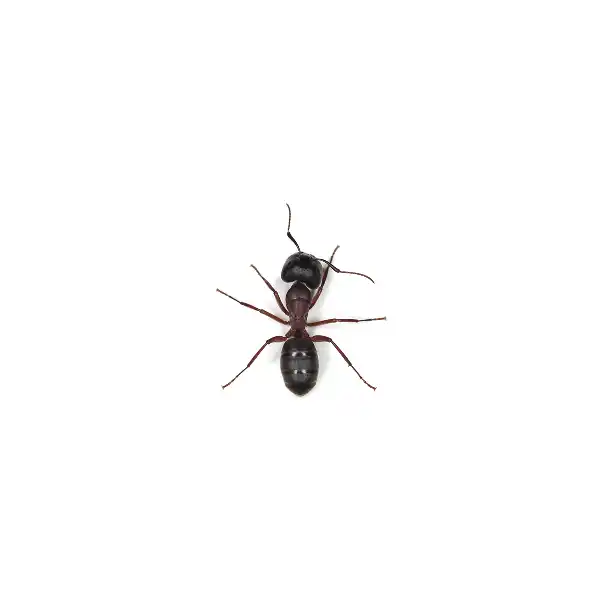
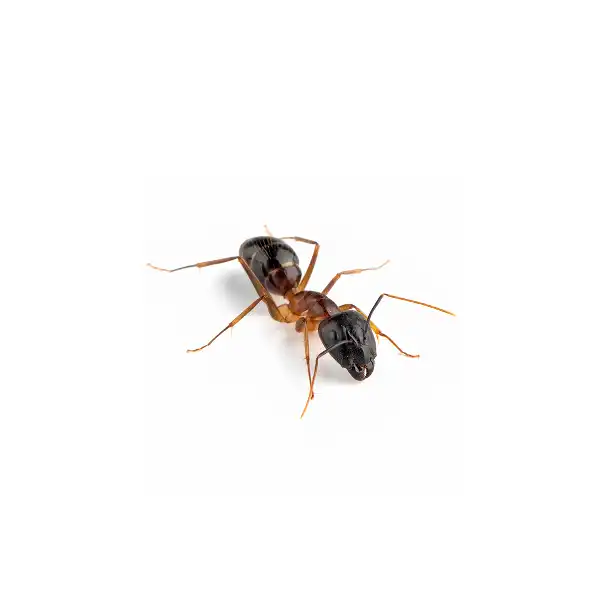
Pavement Ants in Athens, GA
Pavement ants are known for building nests beneath sidewalks, driveways, and foundations near structures. Swarming usually occurs in spring, but colonies located indoors may swarm continuously. They are sometimes mistaken for termites during these swarming events, which can cause concerns in commercial buildings. Their diet includes meat, grease, dead insects, seeds, and sweets, with a strong preference for honeydew produced by aphids and mealybugs. Because they nest near pavement and walkways, they frequently enter homes and buildings in search of food.
Pavement Ant Habitat
Slow and methodical in movement, pavement ants are frequently observed at night following trails between their nests and food sources. As their name suggests, they commonly nest under or around sidewalks, slabs, and concrete, thriving in urban areas with little vegetation. Excavated soil is left in small mounds close to the nesting site during construction. These mounds are usually found on the ground surface or alongside patios and sidewalks. Indoors, they are typically located in kitchens or near patios, where they establish nests in wall voids, insulation, or under floors. They can quickly form long foraging trails once a food source is discovered.
Pavement Ant Behaviors, Threats, or Dangers
Although pavement ants are capable of biting and stinging, they rarely bite people and are primarily considered nuisance pests. They frequently create unattractive piles of debris along sidewalks, driveways, and inside commercial properties. Large infestations can lead to food contamination as ants move through homes in search of resources. Over time, untreated colonies may expand and establish multiple nesting sites throughout a building. They often become more active when outdoor food sources are limited. If you suspect pavement ant activity, it is best to contact a professional exterminator.