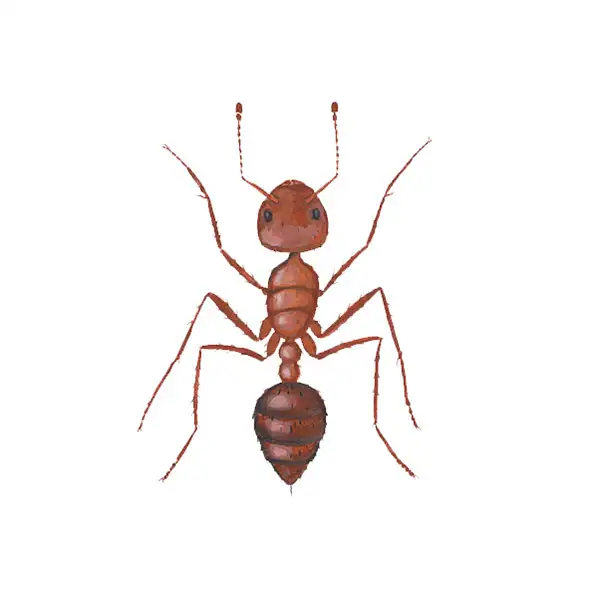
Fire Ants in Athens, GA
Fire ants are named for their extremely painful bite and sting, which can be delivered repeatedly by a single ant. They are highly aggressive when defending their territory and respond rapidly to disturbances. When their mound is disturbed, workers quickly emerge and swarm the intruder in a coordinated attack, with hundreds stinging at once. These ants build large mounds and feed on almost any plant or animal material, including other insects. They are also drawn to electrical equipment and have been known to damage AC units, water well systems, and outdoor lighting, sometimes creating fire hazards.
Fire Ant Habitat
Fire ants build mounds that function as above-ground nurseries, carefully regulating both temperature and moisture for the colony. Attracted to moisture, they frequently nest near rivers, potted plants, and well-watered lawns. These mounds are commonly located in sunny, open areas like fields, parks, lawns, and pastures when left undisturbed. As omnivores, fire ants consume plant and animal resources and may invade homes during foraging by entering through cracks, crevices, and gaps under doors, windows, or walls.
Fire Ant Behaviors, Threats, or Dangers
Fire ants pose a serious threat to humans and pets due to their painful sting. Unlike most venomous ants that bite and spray acid, fire ants bite and then sting using a stinger located on their abdomen. While the burning sensation usually fades within minutes, hive-like bumps can appear within 30 minutes, followed by fluid-filled pimples within 24 hours. Large colonies may also damage plants, lawns, and outdoor electrical fixtures. Because of these risks, it is best to leave any mound undisturbed and contact a professional ant exterminator.