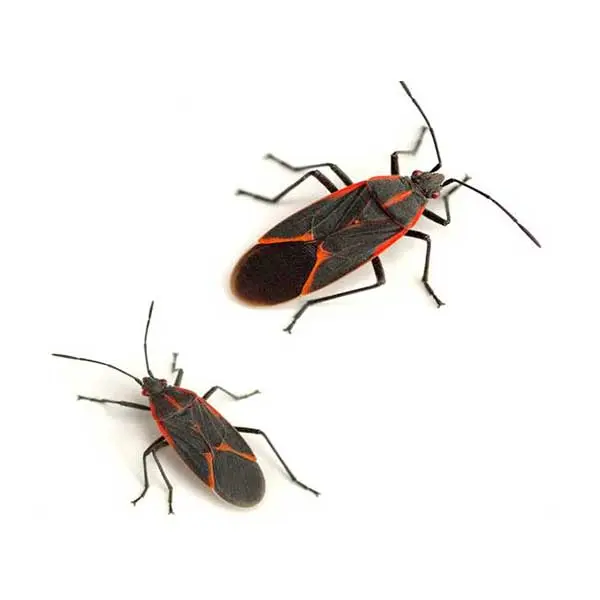
Boxelder Bugs in Athens, GA
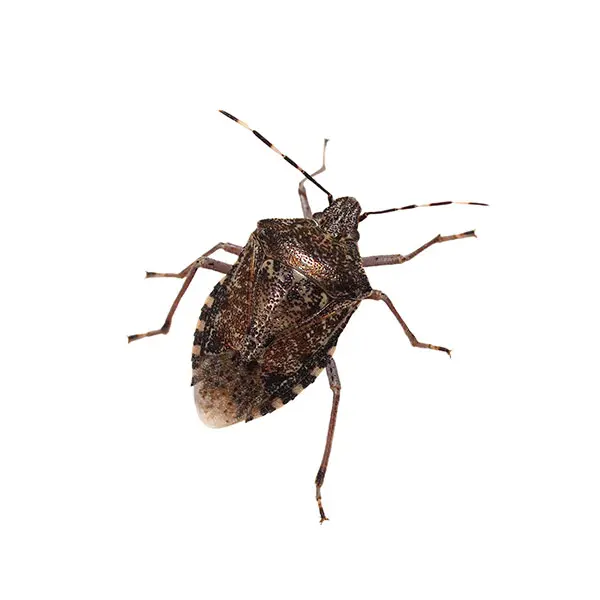
Boxelder bugs are true bugs that get their name from the boxelder tree, their primary host plant, which is common across the United States. They feed on leaves, flowers, and seed pods of boxelder trees and occasionally on maple and ash trees. Their activity increases during the warmer months when food is readily available. These bugs often become a nuisance in the fall as they gather in large numbers looking for overwintering sites. Like many pests, they are most noticeable when entering homes for shelter or emerging again in spring.
Boxelder Bug Habitat
In the fall, adult boxelder bugs gather on the south sides of trees, rocks, and buildings to warm themselves in the sun. They often take advantage of sunny surfaces to regulate their body temperature before winter arrives. Once large groups form, they typically fly to nearby structures or protected areas to hibernate for the colder months. They may enter homes and buildings, where they settle within wall voids to overwinter. Boxelder bugs do not reproduce indoors but gain entry through windows, doors, ceiling lights, soffit and dryer vents, outdoor faucets, and siding.
Boxelder Bug Behaviors, Threats, or Dangers
Although boxelder bugs are not known to sting and rarely bite, there are occasional reports of defensive biting. They do not cause structural damage, but their droppings can stain light-colored surfaces, and their crushed bodies produce an offensive odor. In winter, they often enter homes in small groups, showing up in windows, sinks, and bathtubs while congregating near overwintering sites. Once inside basements or houses, they typically die off over time. They may also stain curtains, furniture, and clothing with their excrement, and infestations should be handled by a pest control professional.