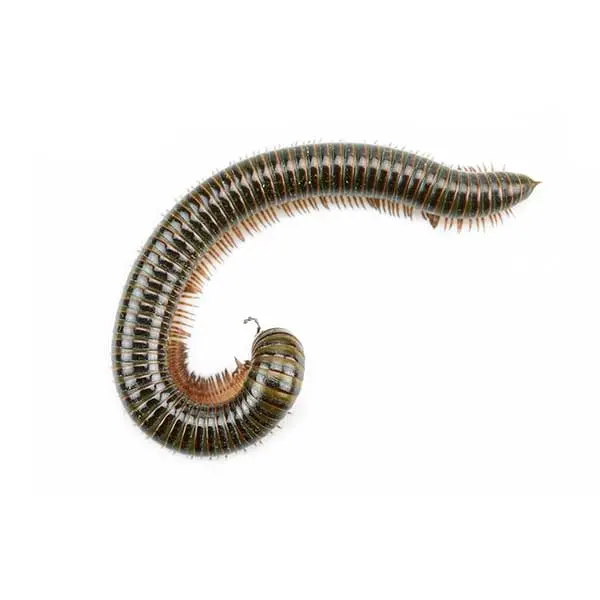
Millipedes in Athens, GA
Sometimes referred to as “thousand leggers,” millipedes are household pests. Despite their intimidating appearance, they are generally harmless to people and play a role in breaking down organic material outdoors. They normally live outside, feeding on damp and decaying wood, vegetable matter, and tender roots and leaves on the ground. Many species defend themselves using glands that release an unpleasant odor when disturbed. Millipedes are found throughout the United States, including Alaska and Hawaii, as well as in Puerto Rico.
Millipede Habitat
Millipedes are scavengers in nature and primarily consume decaying organic matter. They help recycle nutrients back into the soil through decomposition. While they may occasionally feed on young plants, the resulting damage is rarely significant. Because they require high moisture, millipedes usually remain hidden under objects during daylight hours. At night, they emerge and can be seen moving across sidewalks, patios, and building foundations. In the fall, they may enter structures in large numbers during seasonal migrations.
Millipede Behaviors, Threats, or Dangers
Although millipedes can enter homes in large numbers, they are harmless in that they do not bite, sting, or spread disease, and they do not damage food, clothing, or wood. They are considered a nuisance pest when they show up indoors, often in crawl spaces, damp basements, or ground-level floors. Because of their high moisture needs, they rarely survive indoors beyond a few days unless conditions remain very damp. When they are seen frequently inside, it often means large outdoor populations are breeding in mulch, leaf litter, lawns, or debris near the foundation. If millipedes are becoming a problem on your Athens, GA property, contact your local exterminators.