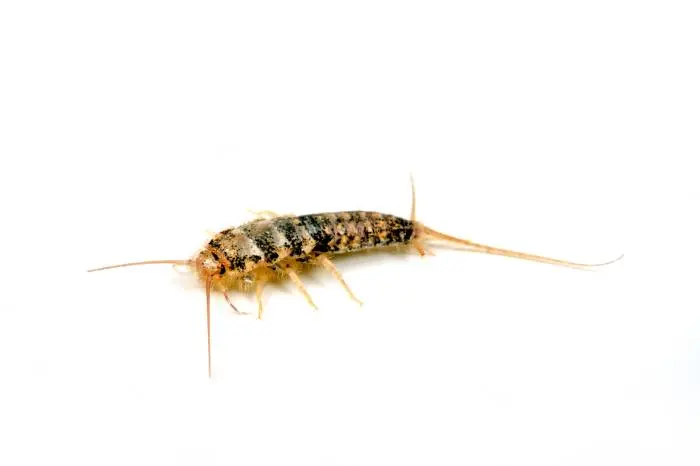
Firebrat in Athens, GA
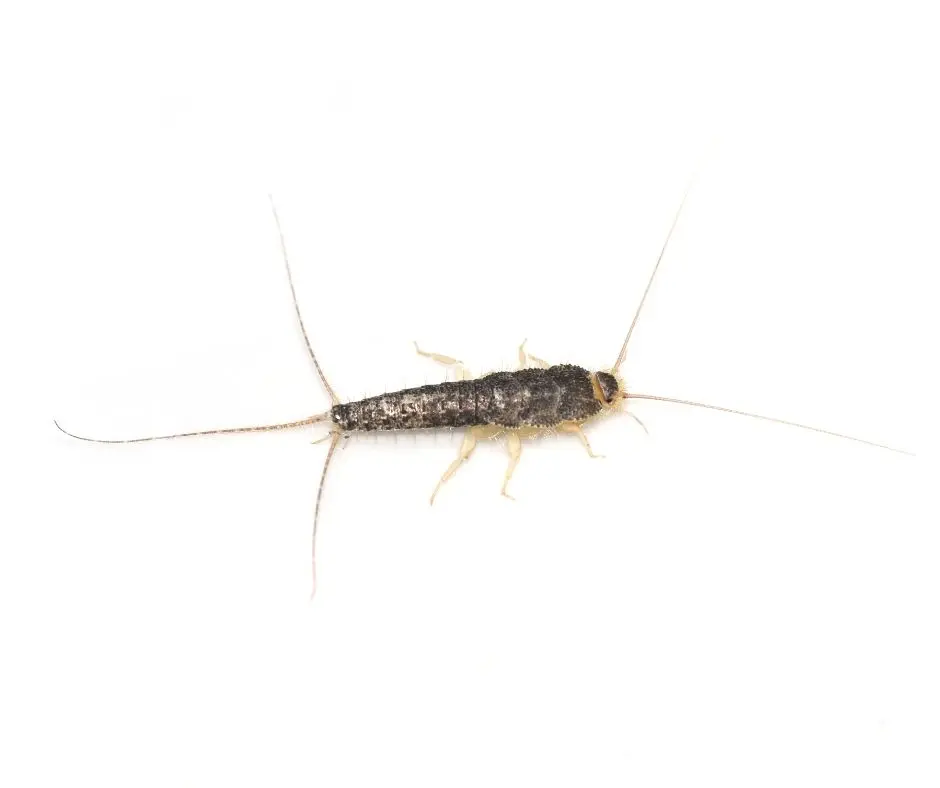
Found throughout Athens, GA, firebrats are especially common in urban and suburban environments. These nocturnal insects are usually 1/2 to 3/4 inch long and prefer warm, humid conditions. They often cluster in areas that provide steady heat and moisture. While they remain active throughout the year, their numbers drop during the winter months outdoors. Even so, they can survive cold seasons indoors if they find warm, protected spaces. Their ability to adapt to indoor environments makes them persistent pests that can damage paper goods, books, and clothing.
Firebrat Habitat
Warm, humid environments are ideal for firebrats, which is why urban and suburban areas provide excellent habitat conditions. Inside buildings, they are commonly found in kitchens, bathrooms, and laundry rooms where heat and moisture accumulate. Leaky pipes or poor ventilation can further encourage their presence indoors. They are drawn to heat sources such as furnaces, boilers, and hot water pipes, where they seek out warmth and humidity. Outside, firebrats hide under rocks, leaf litter, and sheltered areas near structures. They are nocturnal insects, active at night and hiding during the day to avoid light and disturbance.
Firebrat Behaviors, Threats, or Dangers
Firebrats can quickly multiply in homes, although they are generally harmless to people since they do not bite or sting. Their shed skin and feces may aggravate allergies and asthma in sensitive individuals. They are known to feed on household materials such as books, paper, fabrics, and wallpaper, and they can also contaminate stored food. Prevention steps like reducing humidity, sealing cracks and crevices, and limiting food sources can help reduce infestations. If firebrat populations become excessive, contact a local exterminator for assistance.