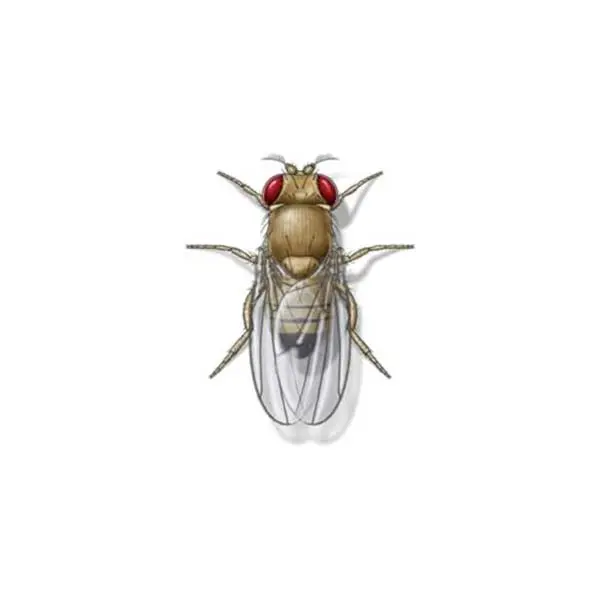
Fruit Flies in Athens, GA
There are more than 177 species of fruit flies in North America north of Mexico, with roughly eight species commonly found in the United States. Also called fruit, vinegar, or pomace flies, they are often confused with other small indoor flies. The name Drosophila, meaning “lover of dew,” reflects their need for moist conditions to reproduce. Fruit flies reproduce quickly in areas where food is left exposed or fermenting. They are frequently spotted near fruit, wine, trash cans, and garbage, where they act as disease vectors by consuming bacteria and sugars from decaying matter.
Fruit Fly Habitat
Fruit flies often enter buildings from nearby dumpsters, trash cans, and damp compost piles containing discarded fruits and vegetables. They are small insects capable of passing through ordinary window and door screens and are commonly found in homes, restaurants, fruit markets, bars, and salad bars where produce is present. Fruit flies lay large numbers of eggs directly on fruit, and the larvae feed on the decaying material. Their rapid life cycle allows populations to grow quickly under the right conditions, with a single generation sometimes developing in less than a week in warm temperatures between 80° and 89°F.
Fruit Fly Behaviors, Threats, or Dangers
Studies indicate that fruit flies are capable of spreading bacteria such as E. coli, Salmonella, and Listeria from contaminated material to fresh, ready-to-eat food. Although fruit flies are harmless in that they do not sting or bite, they can still create sanitation concerns in the home. While they primarily feed and breed on fermenting foods, they also visit dishes, utensils, drinking glasses, and even toothbrushes. This allows bacteria to be transferred onto everyday items used for eating and drinking. If you are experiencing an infestation, reach out to a local fly exterminator for help.