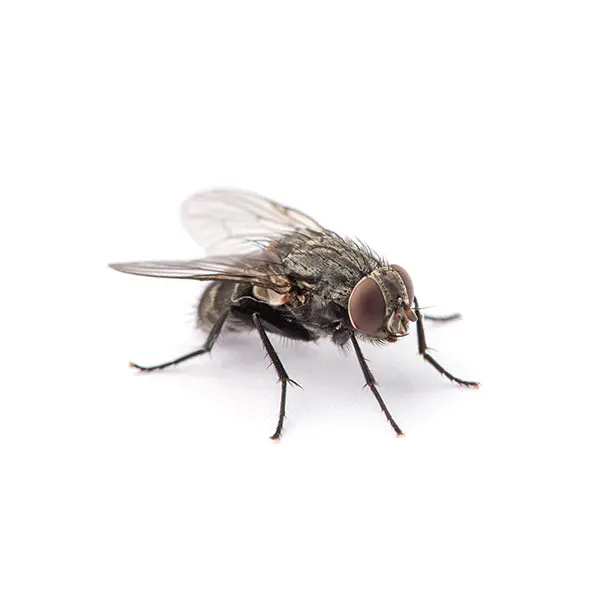
House Flies in Athens, GA
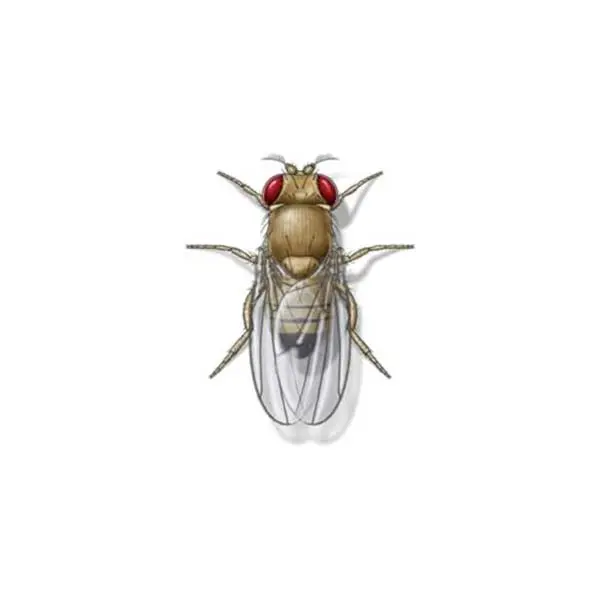
The house fly is one of the most widespread insects on Earth, found on every continent except Antarctica. Populations peak during warm summer months, when they are most active and commonly live near people and animals. They are especially drawn to areas where waste is accessible and unmanaged. House flies reproduce in animal waste and decaying organic matter, including food waste and animal corpses, where they acquire bacteria and viruses that can cause illness in humans. Because they defecate nearly every time they land, they frequently contaminate food and surfaces.
House Fly Habitat
Manure piles in rural areas frequently serve as the primary breeding source for house flies, whereas in urban areas, decomposing lawn clippings often lead to large infestations. The presence of organic material and heat accelerates fly development in both environments. Animal manure is especially attractive for breeding, with major sources including horse manure, human waste, cow manure, fermenting vegetable refuse, dumpsters, refuse containers, and household garbage. Certain fly species are also able to reproduce in recycling containers, which is why fly issues are common at recycling facilities.
House Fly Behaviors, Threats, or Dangers
House flies do not bite, but they can still transmit over 100 pathogens, such as salmonellosis, typhoid, and tuberculosis. As they move between garbage, sewage, and other contaminated materials, they collect pathogens on their bodies and mouthparts. These organisms are then spread through vomit, feces, and external contact with food meant for humans or animals. This allows them to carry disease from filthy breeding sites into homes or even spread illness among livestock and poultry. If you have a house fly problem, reach out to a local fly extermination service.