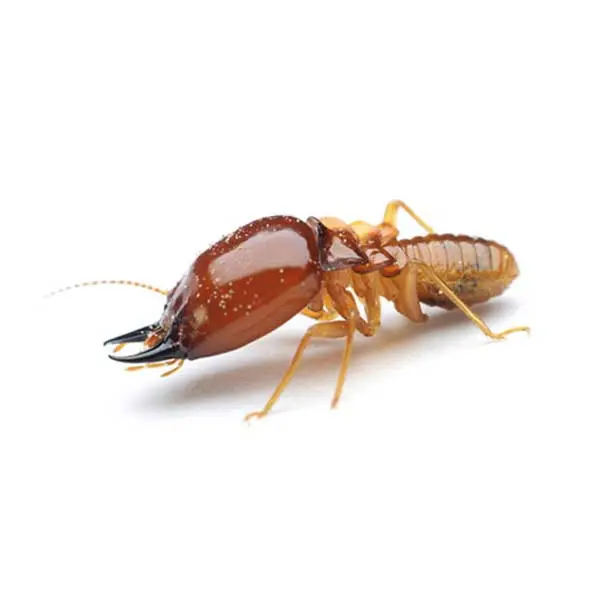
Formosan Termites in Athens, GA
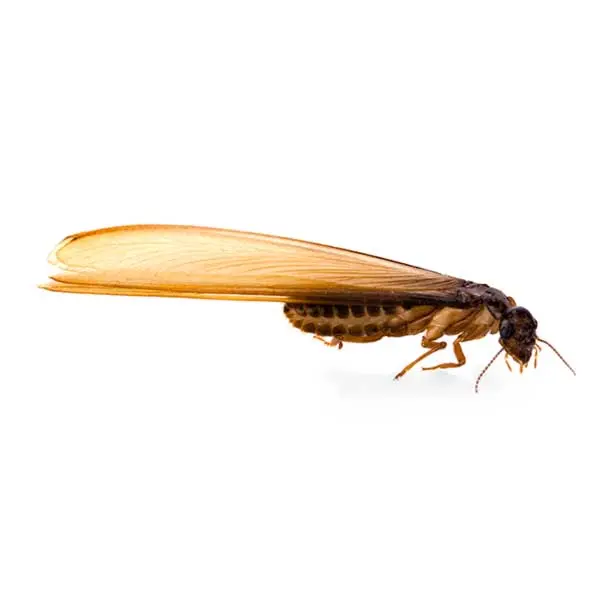
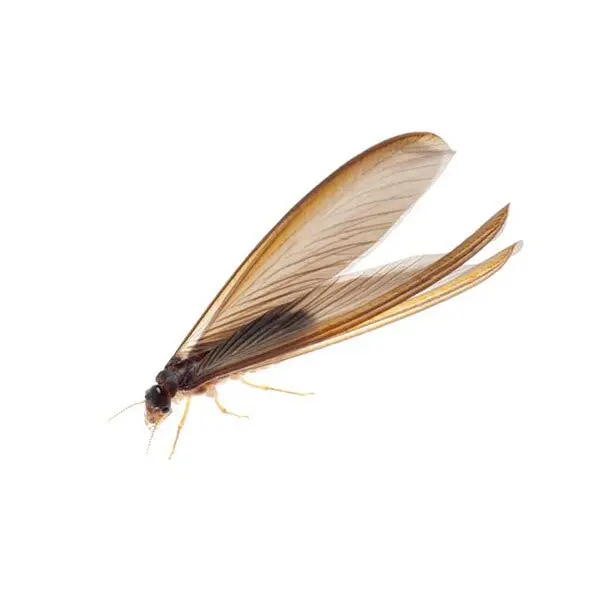
The Formosan subterranean termite is considered the most aggressive and potentially destructive termite species in Athens, GA. It is known for forming extremely large colonies with interconnected foraging galleries in the soil. These termites typically invade structures from the ground, entering through cracks, expansion joints, and utility conduits in concrete slabs. Any point where wood contacts soil provides an easy entry point for infestation. When they move into a structure above ground, foraging tubes may be visible connecting the soil to the infested building.
Formosan Termite Habitat
Cellulose, found in both living and dead plant matter, is the primary food source for Formosan subterranean termites. These termites frequently infest trees, woodpiles, crops, rotten stumps, and homes. They construct nests from “carton,” a composite of soil, masticated wood, saliva, and excrement that aids in water conservation. Above-ground colonies may develop inside walls, attics, and roof structures. As these nests expand, walls can bulge outward, sometimes containing carton masses larger than a basketball.
Formosan Termite Behaviors, Threats, or Dangers
When Formosan subterranean termites infest wood products, one detection method is tapping the material with a hard object to check for hollow spots. In advanced infestations, they can completely hollow out wood, leaving only a paper-thin shell. The surface may then appear blistered or peeled due to internal damage. These termites also cause serious problems for utility poles and railroad ties, often making replacement necessary. If you suspect a Formosan termite infestation, contact your local termite exterminators for treatment.