Honey Bees in Athens, GA
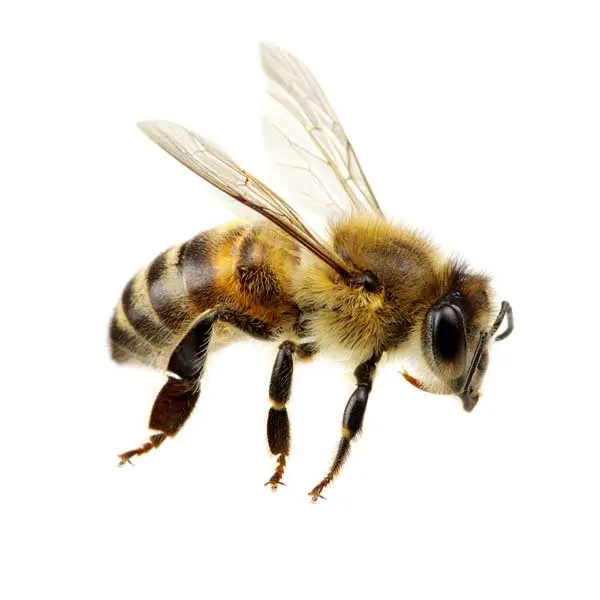
Honey bees are active pollinators known for producing honey, as their name suggests. They are essential to both wild plants and crops. Their colonies can survive for several years when conditions are favorable. Queen honey bees are slightly larger than male honey bees, also called drones. They are found throughout the country and help pollinate over 100 different crop species. The two main types are Africanized honey bees and European honey bees. The latter is much more aggressive than the former. Honey bees will swarm when the colony becomes too large for its hive. Swarming typically occurs in spring or early summer.
Honey Bee Habitat
During late spring and summer, these insects are most visible as new queens leave their original colonies, accompanied by thousands of workers, to establish new nests in tree hollows or crevices. At this time, large swarms can often be seen clustering together while searching for a suitable nesting site, typically taking about 24 hours to find a new home. They prefer protected, enclosed spaces that support colony growth and commonly build nests in tree crevices, though they may occasionally take shelter in attics or chimneys. While most swarms are harmless, certain species of bees, like the Africanized honey bee, are extremely aggressive and may attack unprovoked.
Honey Bee Behaviors, Threats, or Dangers
Honey bees are capable of stinging, but each bee can only sting once. Only female workers have stingers, and they are not likely to sting while peacefully foraging for nectar and pollen. Most stings occur when the bees are provoked or accidentally crushed. Because their stinger has barbs, it becomes stuck in the skin and remains there unless removed. The removal method is not as important as acting quickly, whether using tweezers, fingers, or scraping it away. Honey bee stings are painful and can be dangerous for individuals allergic to their venom. If a honey bee nest is suspected on your property, it is always best to contact a professional bee removal company.