
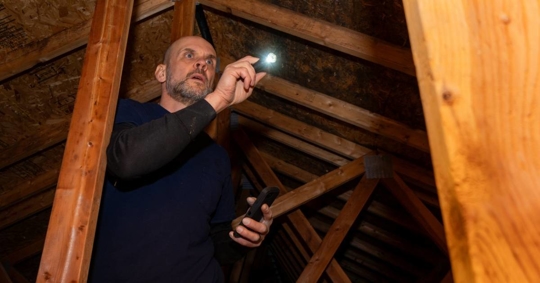
Strange scratching sounds overhead? Unexplained odors wafting through your home? If you've noticed these warning signs, you might be sharing your attic with unwanted guests. Wildlife, such as squirrels, raccoons, and bats, often seek shelter in attics in Georgia, Western North Carolina, and Upstate South Carolina, especially during breeding season or extreme weather conditions. While these animals may seem harmless from a distance, their presence in your home can lead to serious problems.
Don't wait for the problem to get worse—contact us online or call (706) 546-1490 today for a thorough inspection and effective wildlife removal solutions.
Why Wildlife Choose Your Attic
Attics provide everything wild animals need: warmth, shelter from predators, and a safe place to raise their young. The space between your roof and ceiling mimics the natural cavities these creatures would normally inhabit in trees or caves. Once they discover an entry point—often through damaged vents, loose soffits, or gaps where rooflines meet—they'll take advantage of it. Even a hole the size of a quarter can grant access to determined wildlife.
Your attic's insulation makes an ideal nesting material, and the enclosed space protects animals from harsh weather conditions common throughout our region. Unfortunately, what's comfortable for wildlife can become a nightmare for homeowners.
The Real Risks of Attic-Dwelling Squirrels
Squirrels might look cute in your yard, but they're destructive tenants when they move into your attic. These persistent rodents can cause extensive damage in a surprisingly short time. Their front teeth never stop growing, which means they need to constantly chew to keep them worn down.
This gnawing behavior leads to serious issues:
- Electrical hazards: Squirrels chew through wiring, creating fire risks and causing costly electrical failures
- Structural damage: They tear apart insulation, wood beams, and drywall to create nests
- Water infiltration: Damaged roof components from squirrel activity can lead to leaks
- Noise disruptions: Early morning scratching and scurrying can disturb your sleep
Beyond property damage, squirrels can carry parasites like fleas, ticks, and mites into your living space. Their droppings and urine accumulate quickly, creating unsanitary conditions and unpleasant odors. Professional squirrel control is often necessary to address both the animals and the damage they cause.
Raccoons: Larger Animals, Bigger Problems
Raccoons are among the most troublesome wildlife invaders. These intelligent, dexterous animals can open latches, tear through screening, and pry apart building materials with their strong paws. A mother raccoon seeking a den for her babies can cause extensive structural damage in her determination to create a suitable space.
The dangers raccoons present include:
- Aggressive behavior: Raccoons, especially mothers with young, may become defensive and can bite or scratch if cornered
- Disease transmission: These animals can carry rabies, raccoon roundworm, and leptospirosis
- Significant destruction: Their size and strength allow them to tear large holes in roofs, soffits, and fascia boards
- Contamination: Raccoon latrines (communal bathroom areas) create concentrated zones of waste that require professional decontamination
Raccoon roundworm is particularly concerning because its microscopic eggs can become airborne when dried droppings are disturbed. Humans can accidentally inhale or ingest these eggs, leading to serious infections. The parasite can migrate to the brain, eyes, or other organs, causing severe neurological problems. Children are especially vulnerable if they play in areas where raccoons have left droppings. Getting effective raccoon control helps protect your family from these health risks.
The Hidden Dangers of Bats in Your Attic
Bats often go unnoticed longer than other wildlife because they're nocturnal and relatively quiet. You might only realize you have bats when you spot them flying at dusk or notice their droppings, called guano, accumulating below their roosting spots. While bats provide valuable pest control by eating insects, they don't belong in your home.
Health Concerns with Bat Infestations
Bat guano poses significant health risks. When it accumulates in attics, it can grow a fungus that causes histoplasmosis—a respiratory disease that affects the lungs. The fungal spores become airborne when guano is disturbed, making cleanup dangerous without proper protective equipment and techniques. Symptoms range from mild flu-like illness to severe lung infections.
Bats also carry rabies at higher rates than many people realize. Though most bats don't have rabies, the disease is fatal once symptoms appear, making any potential exposure a medical emergency. Because bat bites are small and may go unnoticed, health officials recommend medical evaluation if you wake up to find a bat in your room or if children or impaired individuals are in a room with a bat.
Legal Protections for Bats
Many bat species are protected by law due to declining populations. This means removal must follow specific guidelines and timing restrictions, typically excluding maternity season when young bats are present. Professional wildlife control companies understand these regulations and can safely and legally address bat problems while respecting conservation needs.
Warning Signs You Have Attic Wildlife
Recognizing an infestation early can minimize damage and health risks. Pay attention to these indicators that wildlife has moved in:
Common signs include scratching, thumping, or vocal sounds coming from above, especially during early morning or evening hours. You might notice stains on ceilings or walls from urine seeping through, or detect foul odors from accumulated waste. Outside, look for entry holes, damaged vents, or disturbed insulation visible through soffit gaps. Some homeowners spot the animals themselves entering or leaving at dawn or dusk.
If you notice any of these warning signs, it's time to take action. Waiting allows populations to grow, damage to worsen, and health risks to increase.
Why DIY Wildlife Removal Often Fails
Many homeowners attempt to handle wildlife problems themselves, but this approach typically creates more problems than it solves. Wild animals can be unpredictable and dangerous when cornered or protecting their young. Without proper equipment and training, you risk bites, scratches, and disease exposure.
DIY methods often fail to address the full scope of the problem. Removing the animal without sealing entry points means new wildlife will simply move in. Additionally, if babies are present and the mother is removed, the young will die in your attic, creating terrible odors and attracting insects. Many states also have specific regulations about wildlife handling and relocation that homeowners may unknowingly violate.
Professional cleanup is another crucial component often overlooked in DIY attempts. Wildlife waste requires proper decontamination to eliminate health hazards and odors. Damaged insulation may need replacement, and contaminated areas need sanitizing with appropriate disinfectants.
The Professional Approach to Wildlife Control
Experienced wildlife technicians follow a comprehensive process to solve your problem completely. First, they conduct a thorough inspection to identify the species present, locate all entry points, and assess damage. This evaluation guides the development of an effective removal and exclusion strategy.
The removal process uses humane methods appropriate for the species involved. Once animals are removed, all entry points are sealed with durable materials that prevent re-entry. This exclusion work is critical—addressing the "how" animals got in prevents future infestations.
After removal and exclusion, professionals clean and sanitize affected areas, removing contaminated insulation if necessary and treating spaces with appropriate disinfectants. Some companies also offer restoration services to repair damage caused by wildlife activity. This thorough approach addresses current problems while protecting your home going forward.
Protecting Your Home from Future Wildlife Intrusions
Prevention is always easier than removal. Regular home maintenance can make your property less attractive and accessible to wildlife. Trim tree branches that overhang your roof, as these provide easy access for squirrels and raccoons. Keep your property clean by securing garbage in animal-proof containers and removing food sources like fallen fruit or pet food left outdoors.
Inspect your home's exterior seasonally, looking for gaps, holes, or damage that could allow wildlife entry. Pay special attention to roof edges, vents, chimneys, and areas where different building materials meet. Cap chimneys with mesh screening and ensure all vents have tight-fitting, intact covers. Small problems are easier and less expensive to fix before animals exploit them.
Consider a professional residential pest and wildlife inspection if you're unsure about your home's vulnerabilities. Technicians can identify weak points you might miss and recommend preventive measures specific to your property.
Get Help with Wildlife in Your Georgia or Carolina Home
Wildlife in your attic won't resolve itself—these problems only grow worse with time. The damage escalates, health risks increase, and removal becomes more complicated and costly. Taking action now protects your home, your family's health, and your peace of mind.
American Pest Control understands the wildlife challenges homeowners face throughout Georgia, Western North Carolina, and Upstate South Carolina. Our team has the experience, equipment, and expertise to handle squirrels, raccoons, bats, and other unwanted attic guests safely and effectively. We'll remove the animals, secure your home against future intrusions, and restore your attic to a clean, safe condition.
Contact us through our online contact form or call (706) 546-1490 to schedule an inspection and take the first step toward reclaiming your home from wildlife invaders.