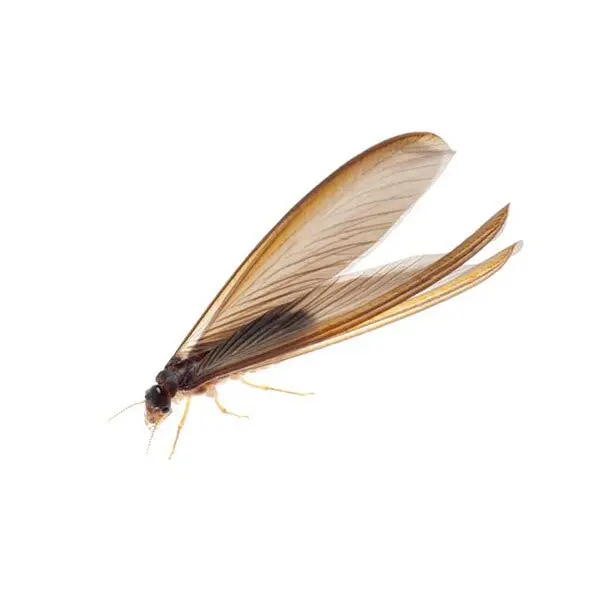
Drywood Termites in Athens, GA
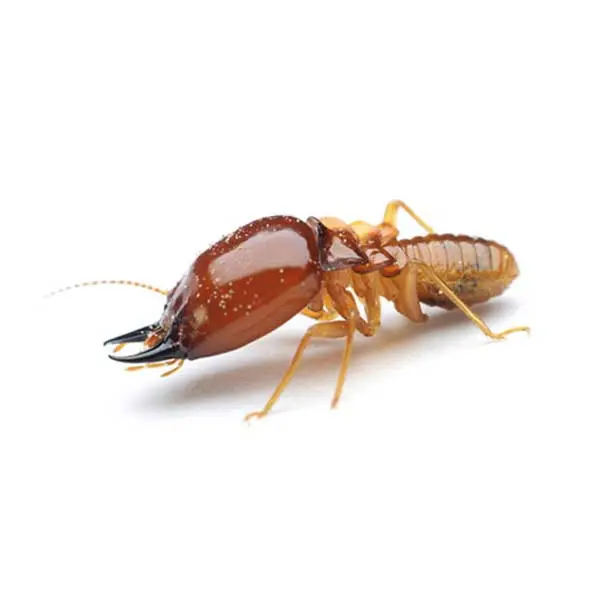
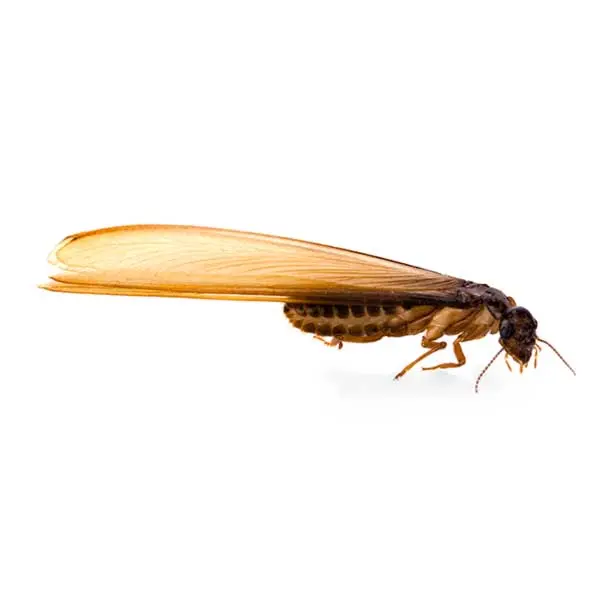
Although not as destructive nationwide as subterranean termites, drywood termites can still inflict serious damage. They live within dry wood, and infestations are commonly identified by frass, discarded wings, or fecal pellets. Swarms are often visible and typically signal an infestation. Like all termites, they feed on cellulose in wood, but this species avoids soft, moist wood in favor of drier material. They eat across the grain, which can be especially damaging to structural integrity. Drywood termites also operate within a caste system consisting of reproductive, worker, and soldier groups.
Drywood Termite Habitat
Drywood termites are most common in warmer, tropical climates where winters are mild. They thrive in dry conditions and can survive without contact with soil. These termites do not need moist soil or water to survive, unlike other termites. Because of this, they typically target wood that is above ground, so infestations are often found in upper levels of structures. They may go unnoticed for long periods since they live entirely inside the wood. They often enter homes through exposed wood or infested wooden furniture brought indoors.
Drywood Termite Behaviors, Threats, or Dangers
These termites do not pose any health risk to humans and are not known to bite. The primary concern with drywood termites is the structural damage they can cause over time. Their wood-destroying activity can continue unnoticed for long periods before an infestation is discovered. Because they remain hidden inside wood and produce large numbers of swarmers and workers with strong, saw-like jaws, they can cause extensive damage to a home. To prevent or control a drywood termite infestation, it is important to contact a professional termite exterminator.