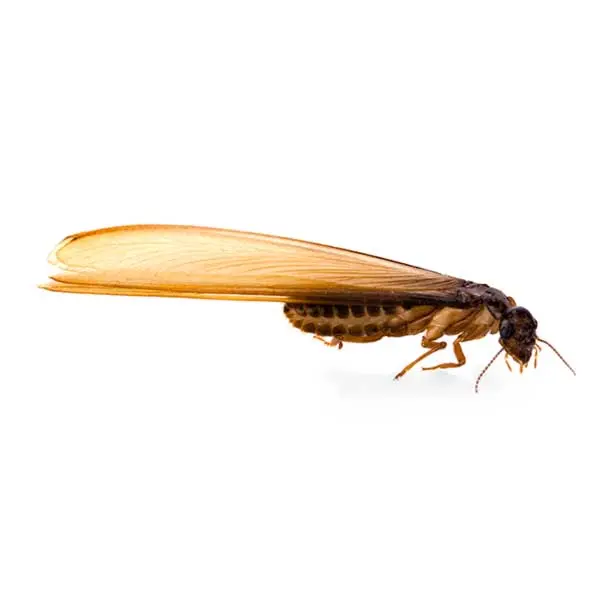
Eastern Subterranean Termites in Athens, GA
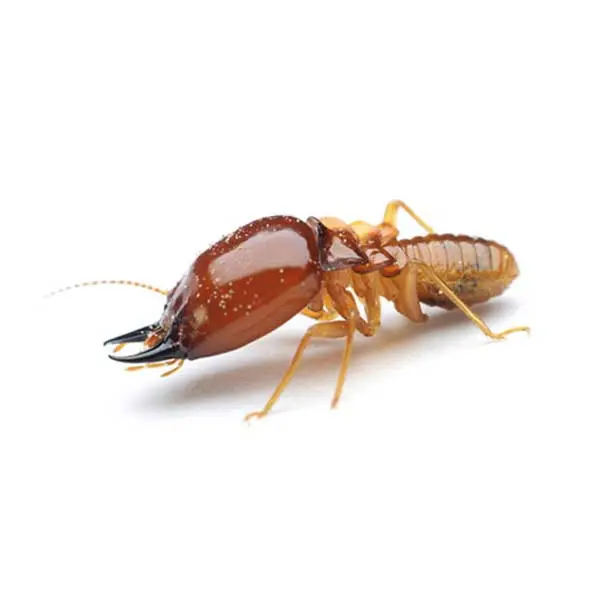
Widely distributed across North America, the eastern subterranean termite is a social insect and the most common termite species in the region. It lives in large colonies that work together to sustain the group. Because of its wide distribution, it is considered the most economically important and damaging species in the U.S. Termites consume cellulose, the main structural component of plant cells. Although wood is their preferred food source, they may also damage non-wood materials when searching for it. Termites rarely appear in the open, and infestations can remain hidden until extensive damage occurs.
Eastern Subterranean Termite Habitat
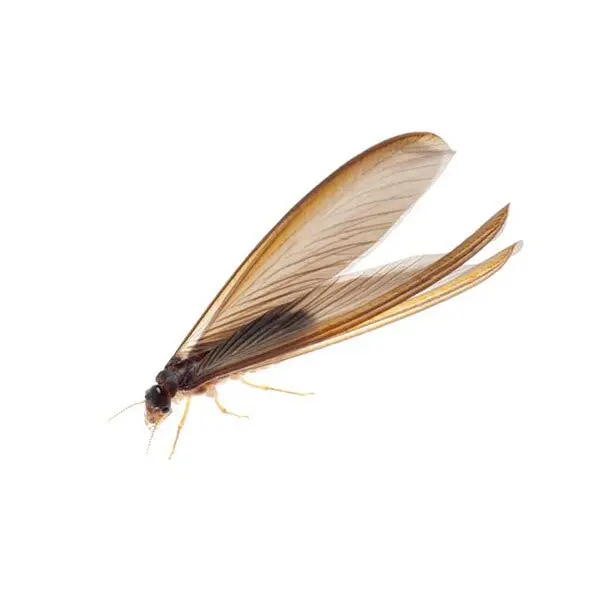
Eastern subterranean termites primarily live in the ground, where they feed on plant materials. From there, they move into structures and are commonly found in basements, walls, crawl spaces, and other moist areas. One of the most recognizable signs of infestation is mud tubes, which may appear inside or outside a home. These earth-colored tubes provide protected passageways from the soil to the wood the termites feed on. In the spring, termites swarm to find mates, and winged reproductives are often drawn to lights near doors and windows. After a brief flight, they break off their wings and establish new colonies as king and queen.
Eastern Subterranean Termite Behaviors, Threats, or Dangers
Termites feed on cellulose, which means nearly any wood material in a house is at risk of being a food source. Because they remain hidden, termite damage is often discovered only after years of infestation. One of the most reliable signs of their presence is swarming termites or piles of shed wings, indicating active colony development. Winged termites are frequently mistaken for winged ants, though most ants inside homes are harmless to wood, except carpenter ants. Always contact your local termite exterminators for help with eastern subterranean termite problems.