
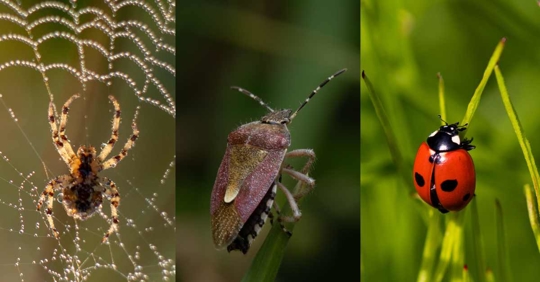
As the crisp air of autumn settles across Georgia, Western North Carolina, and Upstate South Carolina, many homeowners begin to appreciate the changing leaves and cooler temperatures. However, this beautiful season often brings an unwelcome influx of uninvited houseguests: spiders, stink bugs, and ladybugs.
These persistent pests aren't just a minor annoyance. They seek warmth and shelter within your home as outdoor temperatures drop. Understanding why these creatures invade and what you can do about it is key to maintaining a comfortable, pest-controlled living space throughout the fall and winter.
Concerned about fall pests already showing up? Don’t wait for an infestation to grow. Schedule a professional pest control for your home with American Pest Control today.
Understanding Common Autumn Nuisance Pests
While many insects and arachnids might try to sneak indoors, spiders, stink bugs, and ladybugs are among our region's most common and noticeable autumn invaders. Each presents its own unique characteristics and challenges for homeowners.
Spiders: More Than Just Cobwebs
Spiders are fascinating creatures, but most homeowners prefer them to stay outdoors. As temperatures fall, spiders, particularly common house spiders, wolf spiders, and even some types of orb weavers, begin to seek warmer environments. They can squeeze through incredibly small openings and often set up residence in quiet, undisturbed areas like basements, attics, and closets.
While most spiders in our area are not dangerous, their presence can be unsettling, and their webs can quickly accumulate.
- Common Indoor Spiders: You'll likely encounter common house spiders (brown or gray with patterned legs), wolf spiders (hairy and fast-moving), and occasionally jumping spiders (small and distinctive patterns).
- Where They Hide: Look for them in undisturbed corners, basements, attics, crawl spaces, garages, and even behind furniture. They prefer dark, quiet areas where they can build their webs or hunt unnoticed.
- Signs of Infestation: The most obvious sign is an increase in cobwebs. You might also spot spiders themselves, especially near windows or light sources.
Stink Bugs: A Smelly Situation
Brown marmorated stink bugs (BMSBs) have become a significant nuisance pest across the Southeast, including Georgia, Western North Carolina, and Upstate South Carolina. These shield-shaped insects are notorious for emitting a foul odor when crushed or threatened, hence their name. They gather in large numbers on the sunny sides of homes in late summer and early fall, searching for entry points.
Once inside, they tend to congregate in attics, wall voids, and other hidden spaces, emerging on warmer days throughout the winter.
- Distinctive Features: Stink bugs are easily identified by their shield-shaped bodies, mottled brown and gray coloration, and banded antennae.
- Entry Points: They often enter through gaps around windows and doors, torn screens, attic vents, and utility penetrations.
- The Smell: The "stink" is a defensive mechanism. Avoid crushing them, as this will release the odor. Instead, try to gently sweep or vacuum them up.
Ladybugs: Harmless but Abundant
While often seen as symbols of good luck, the sheer number of ladybugs (specifically the multicolored Asian lady beetle, which looks very similar to native ladybugs but often has a more orange hue and an "M" or "W" shape behind its head) that invade homes in autumn can be overwhelming.
Like stink bugs, they are attracted to the warmth and light of your home and will seek shelter in wall voids, attics, and around window frames. Although they don't cause structural damage or carry diseases, large congregations can be a nuisance, and some individuals may experience allergic reactions to their presence or the yellowish fluid they sometimes exude.
- Identifying Asian Lady Beetles: Look for a prominent "M" or "W" shape on their white pronotal shield (the area behind the head). They also tend to be more orange than red and can have varying numbers of spots.
- Why They Invade: They are seeking overwintering sites, similar to stink bugs. They are drawn to sunny, light-colored surfaces.
- Potential Issues: While largely harmless, large numbers can be annoying. They can also bite if provoked, though it's usually not painful, and can leave stains on surfaces with their yellowish defensive fluid.
Proactive Prevention: Keeping Pests Outdoors
The best defense against autumn nuisance pests is a strong offense, focusing on prevention. By taking a few proactive steps, you can significantly reduce the number of spiders, stink bugs, and ladybugs that find their way into your home. Here are some essential prevention tips:
- Seal Entry Points: This is perhaps the most critical step. Inspect your home's exterior thoroughly. Look for cracks in foundations, gaps around windows and doors, openings where utility lines enter, and any tears in screens. Use caulk to seal small cracks and gaps, and repair or replace damaged screens. Pay close attention to areas around pipes and wires leading into the house.
- Weatherstrip Doors and Windows: Ensure that all exterior doors and windows have tight-fitting weatherstripping. If you can see light around the edges of a closed door or window, pests can get in. Replace worn or damaged weatherstripping.
- Repair or Replace Damaged Screens: Even small holes in window or door screens can allow pests entry. Mend or replace any screens that are torn or have holes.
- Install Door Sweeps: Add door sweeps to the bottom of all exterior doors to close the gap between the door and the threshold.
- Clean Gutters and Downspouts: Clogged gutters can create moisture problems, which can attract pests. Keep them clear of leaves and debris.
- Trim Vegetation: Keep trees, shrubs, and other vegetation trimmed back from your home's foundation and siding. Overhanging branches or plants touching the house can provide a "bridge" for pests to access your home.
- Reduce Outdoor Lighting: Many pests are attracted to light. Consider using yellow "bug lights" in outdoor fixtures, which are less attractive to insects. Turn off unnecessary outdoor lights at night.
- Store Firewood Away From the House: Firewood piles are ideal hiding spots for many pests. Store firewood at least 20 feet away from your home and elevate it off the ground.
- Clear Clutter in Garages and Basements: Pests love to hide in cluttered areas. Keep garages, basements, and attics as clean and organized as possible to reduce potential harborage sites.
By diligently implementing these prevention strategies, you create a less inviting environment for these autumn invaders, making your home a fortress against unwanted guests.
Keep Your Home Comfortable All Season Long
Don’t let fall pest activity disrupt your home. Whether you’ve spotted just a few stink bugs or noticed an uptick in spider sightings, American Pest Control is here to help you address the issue early and effectively. We understand the challenges homeowners face as the seasons change, and we’re committed to helping you feel more secure and in control.
Contact our team today through our online contact form or give us a call at (706) 546-1490 to schedule your fall pest prevention service.