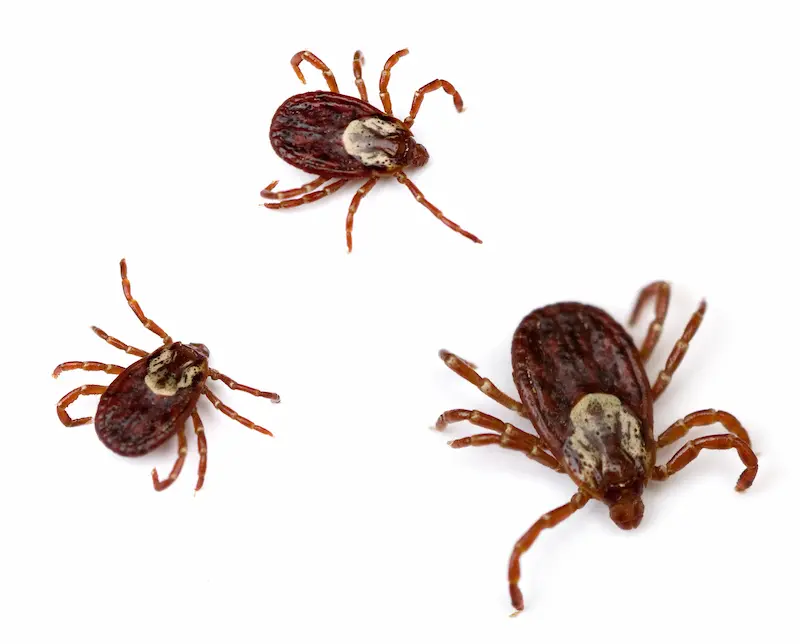
American Dog Ticks in Athens, GA
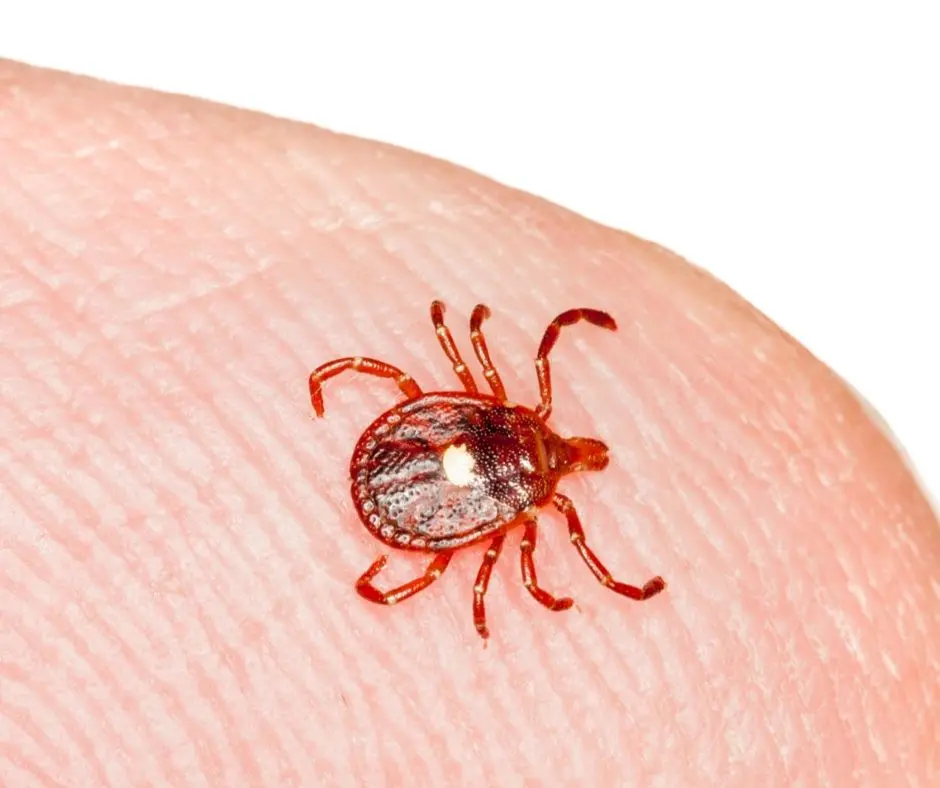
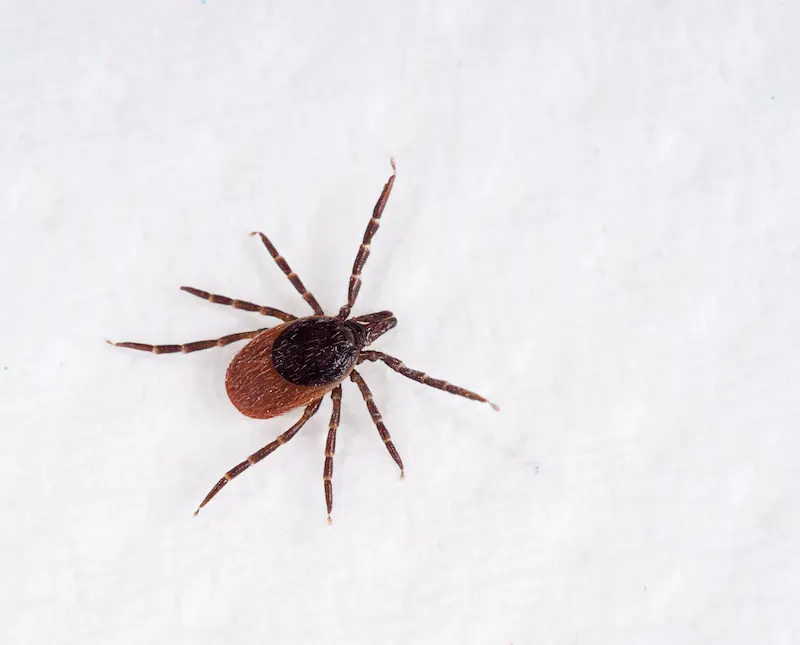
The American dog tick is primarily found east of the Rocky Mountains, with additional populations in western states like California, Idaho, and Washington. Although it commonly infests dogs, it will also feed on larger animals such as mice, deer, cattle, horses, and humans. A single bite can transmit diseases, including Rocky Mountain spotted fever and tularemia, to both people and pets. If a host is not available, this tick can survive for up to two years at any stage of its life cycle.
American Dog Tick Habitat
These ticks are commonly found in habitats with little shade, such as open fields, scrubby areas, and along paths and trails. Around homes, dense shrubs, tall grass, weeds, and clutter create ideal conditions for rodents that support young ticks. Keeping vegetation trimmed and reducing yard clutter can help limit tick activity in residential areas. Adult ticks climb onto low vegetation and hold on with their hind legs while reaching out with the others. As a host passes, they attach when contact is made.
American Dog Tick Behaviors, Threats, or Dangers
The risk of being bitten is highest during the spring and summer months, with adult females most likely to bite humans. Tick activity tends to increase in warmer weather as they actively seek hosts. Both nymphs and adults can spread diseases such as Rocky Mountain spotted fever and tularemia. To reduce your risk, use an insect repellent that contains an EPA-registered ingredient like DEET. Wearing long sleeves and light-colored clothing can also help, along with tucking pants into socks to keep ticks from reaching your skin.