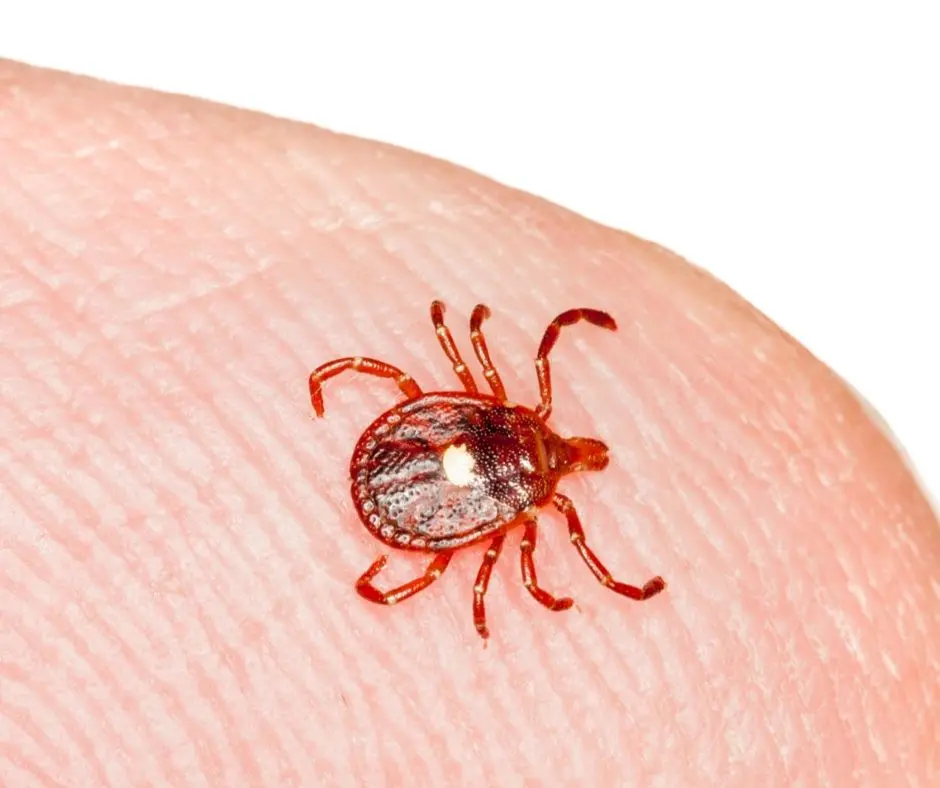
Lone Star Ticks in Athens, GA
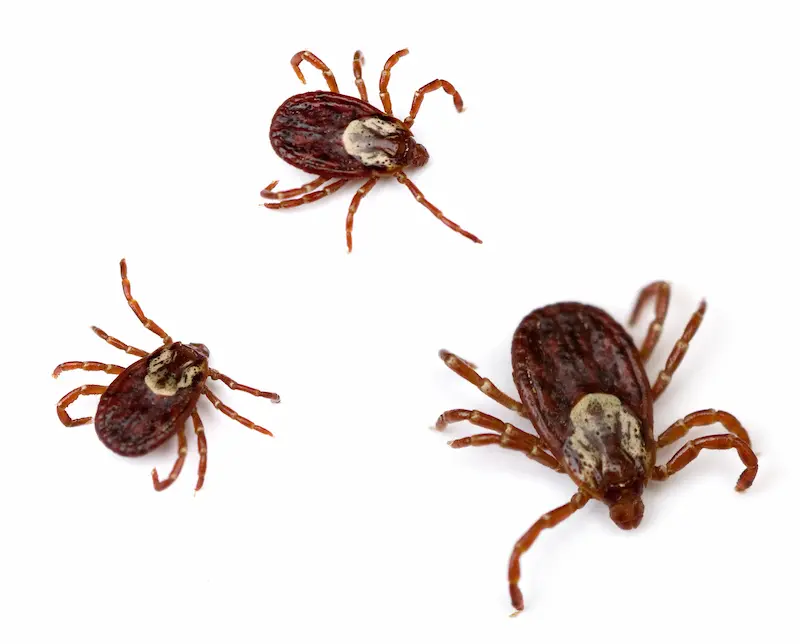
The lone star tick is found across a wide range extending from central Texas and eastern Oklahoma to Missouri and throughout the southeastern United States. It is also present along the Atlantic coastline, reaching as far north as coastal New Jersey and New York. These ticks prefer humid, vegetated areas where they can easily find hosts. Even though it does not spread Lyme disease, it is capable of transmitting bacteria that lead to other illnesses. Bites are painless and commonly go undetected, with the tick remaining attached for up to seven days as it feeds to full engorgement.
Lone Star Tick Habitat
Lone star ticks are commonly found in wooded areas and open fields and are often more prevalent around homes in rural or secluded settings. They thrive in environments with abundant wildlife and dense vegetation. Adults typically feed on large mammals, particularly cattle and white-tailed deer. They also parasitize a wide variety of domestic animals, including cattle, horses, goats, sheep, cats, dogs, and poultry. Humans are frequently bitten by all active life stages. Although they may occasionally enter homes, they are rarely found living indoors and are usually brought inside on pets.
Lone Star Tick Behaviors, Threats, or Dangers
The lone star tick is known to bite humans, and even though it does not carry Lyme disease, its bite can result in a red meat allergy affecting beef and pork consumption. This allergy is associated with a carbohydrate called alpha-gal and is confirmed through blood testing. Symptoms may vary in severity from person to person. Because symptoms are often delayed, the condition can be difficult to recognize without testing. If you suspect a bite, it is best to seek evaluation from an allergist experienced with this type of allergy. For more information about lone star ticks, contact your local tick control experts.