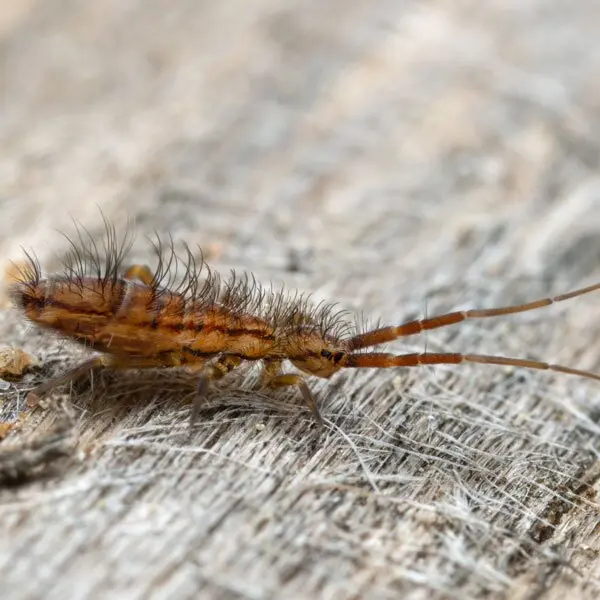
Springtails in Athens, GA
Springtails are very small insects that come in different shapes and sizes, but all possess a forked appendage called a furcula tucked beneath the abdomen. They are most active in moist environments where organic matter is present. When disturbed, they release this structure to launch themselves into the air and escape danger. These tiny insects can sometimes enter homes, especially in damp areas like basements, bathrooms, and kitchens. Reports of large numbers of small jumping insects are often correctly identified as springtails.
Springtail Habitat
Homeowners are sometimes alarmed when springtails appear in large groups in moist indoor areas like sinks, bathtubs, and potted plant soil. These insects are harmless but can become noticeable when conditions are right for rapid reproduction. Outside, they can be found in swimming pools, wet landscaping, vegetable gardens, and on top of mud puddles. While they are most active in spring and early summer, they may be present throughout the year in consistently damp conditions. Infestations are generally associated with moisture, decaying organic matter, and mold.
Springtail Behaviors, Threats, or Dangers
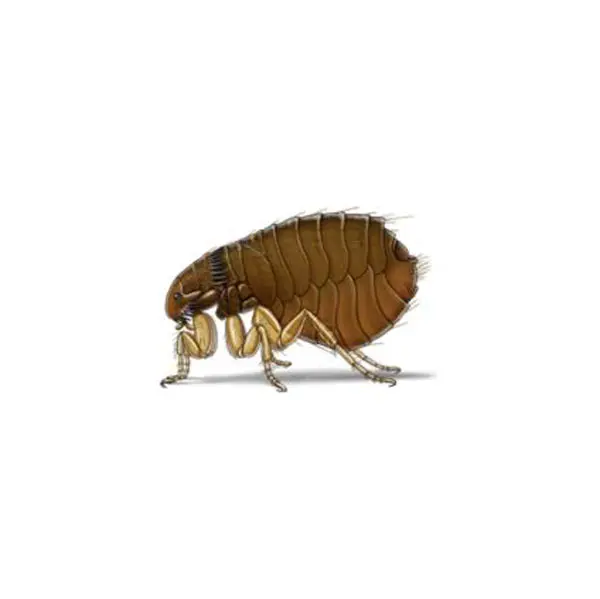
Springtails may be confused with fleas due to their jumping behavior when disturbed, but they are harmless to humans and pets. They do not bite, transmit disease, or cause damage to homes or furnishings. Often considered a nuisance pest, they are frequently found in newly constructed buildings where moisture from wet plaster and building materials is present. As these areas dry out, springtails typically disappear on their own. They can also accumulate around swimming pools, where they fall in and form visible floating clusters. While they may look concerning, they pose no real threat and can be safely removed. If you are dealing with springtails, contact your local flea, tick, and mite experts.