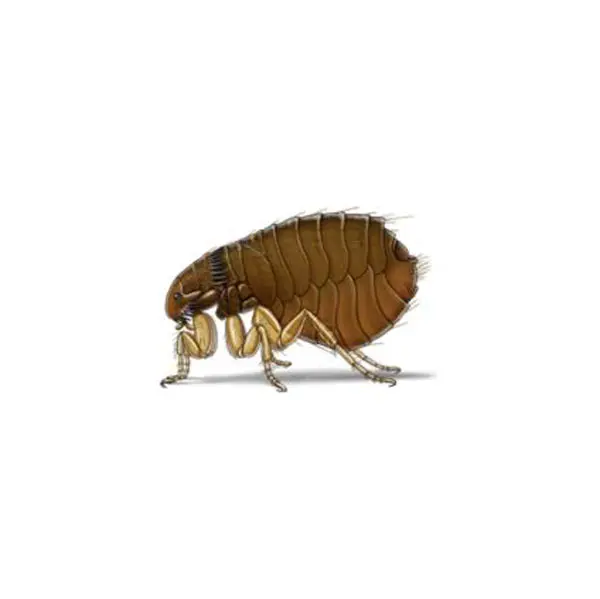
Fleas in Athens, GA
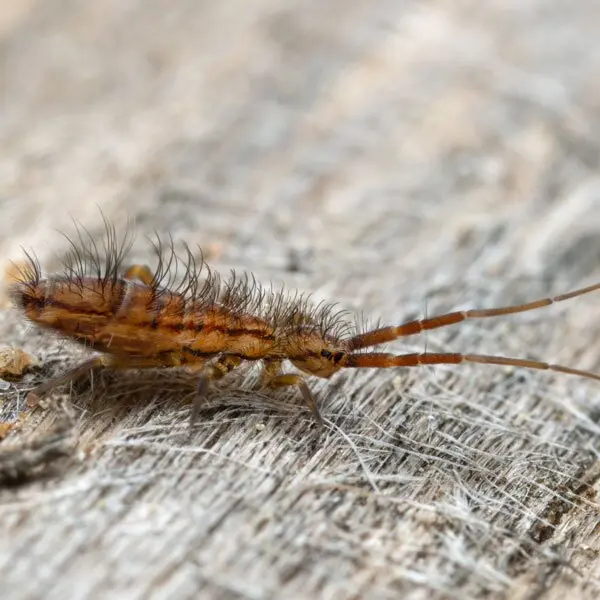
Fleas are small, wingless parasites that feed on blood and live on the outside of their host. Their flattened bodies help them move easily through fur and feathers while staying close to their food source. Adult fleas rely entirely on the blood of warm-blooded animals to survive and reproduce. Fleas are the most common ectoparasites found on cats and dogs, which is why they often become household pests. They are especially troublesome to people and pets during spring and early summer when populations rise quickly.
Flea Habitat
Although fleas are adaptable to many climates, they favor damp, humid, and shady locations. Spaces under decks and porches often serve as safe overwintering areas. They are attracted to environments such as tall grass, weeds, leaf litter, woodpiles, gravel, and sandy spots, and can even survive in tiny cracks in concrete. Fleas tend to avoid direct sunlight and open lawns, instead gathering around shrubs, leaves, and shaded vegetation. They usually enter homes by hitching a ride on pets and can quickly spread indoors, where larvae prefer dark places like carpets, bedding, and upholstered furniture.
Flea Behaviors, Threats, or Dangers
Most fleas feed on animals, but they may occasionally bite humans and transmit irritation or infection. Flea bites typically show up as tiny red marks that often appear in groups on the feet, ankles, or lower legs. These bites are usually not dangerous, though they can cause mild allergic responses. In some cases, pets and people may experience flea bite allergic dermatitis, leading to severe itching, hair loss, skin irritation, and possible infection. One bite can be enough to trigger a reaction, with symptoms lasting several days. If you are dealing with a flea infestation, contact your local flea exterminators for help.